

A 7-day weight-loss meal plan can make meals more organized, scientifically structured, varied, and convenient when it is built around vegetables, fruits, whole grains, and appropriate protein sources. Rather than excessively restricting food, the diet should focus on balance and long-term sustainability. In this article, DiaB provides additional reference information on how to develop a meal plan, choose foods, and maintain appropriate eating habits.
Principles for Developing a Scientific 7-Day Meal Plan
A scientific 7-day meal plan should aim to provide adequate nutrition and be balanced and varied, rather than completely eliminating an entire food group. WHO states that a healthy diet should meet nutritional needs, balance protein, fat, and carbohydrates, and prioritize a wide variety of nutrient-rich foods.
Apply the following 5 important principles:
- Food variety: Alternate among leafy greens, fruits, legumes, whole grains, fish, poultry, eggs, and appropriate protein sources to increase the variety of vitamins, minerals, and fiber.
- Increase vegetables and fruits: WHO recommends that people over 10 years of age consume at least 400 g of vegetables and fruits per day, while prioritizing natural sources of fiber.
- Prioritize minimally processed foods: Vegetables, fruits, whole grains, legumes, nuts, and minimally processed protein sources should form the foundation of the meal plan, while foods high in sugar, salt, and unhealthy fats should be limited.
- Choose appropriate fats: Fish, nuts, and plant oils provide unsaturated fats, while saturated fats and trans fats should be limited in the diet.
- Limit sugar and sugar-sweetened beverages: Water should be prioritized throughout the day, while foods and beverages high in free sugars should be consumed in limited amounts; WHO recommends that free sugars account for less than 10% of total daily energy intake.
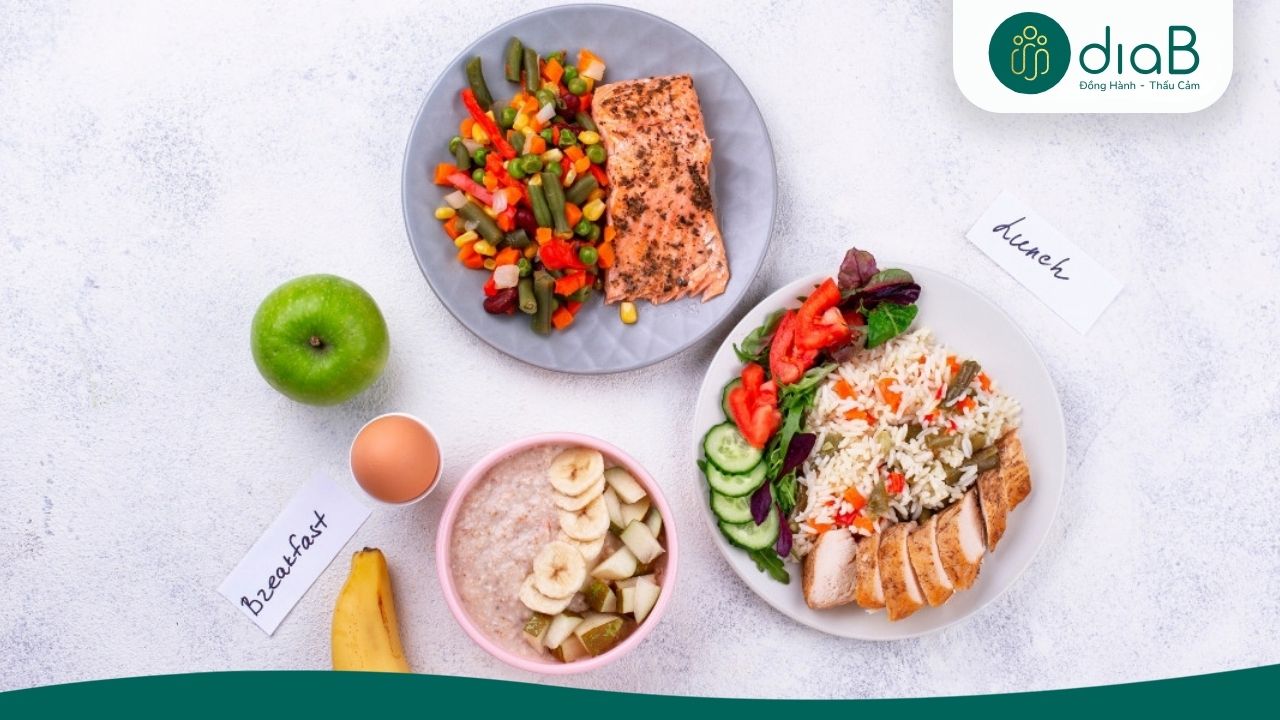
A Nutrient-Rich Meal with a Variety of Foods
An Effective 7-Day Weight-Loss Meal Plan for Use at Home
A sustainable weight-loss diet needs to combine adequate nutrition, portion control, and the maintenance of appropriate habits. Below, DiaB suggests a 7-day meal plan for your reference:
Day 1
- Breakfast: Oatmeal combined with milk, fruit, and an appropriate protein source.
- Lunch: Rice or whole grains, fish, leafy greens, and soup.
- Dinner: Chicken, tubers or whole grains, and vegetables.
- Snack: Yogurt and fruit.
Day 2
- Breakfast: Eggs, whole-wheat bread, and fruit.
- Lunch: A vegetable salad combined with chicken, beans, or an appropriate protein source.
- Dinner: Salmon, quinoa or another whole grain, and vegetables.
- Snack: Fruit with various nuts.
Day 3
- Breakfast: Yogurt, oatmeal, berries, or seasonal fruit.
- Lunch: Lentils or tofu combined with vegetables and whole grains.
- Dinner: Chicken or fish with roasted vegetables and tubers.
- Snack: Yogurt or fruit.
Day 4
- Breakfast: Whole-wheat bread, eggs, and vegetables.
- Lunch: Rice, fish, leafy greens, and soup.
- Dinner: Tofu or beans with vegetables and whole grains.
- Snack: Fruit and a serving of nuts.
Day 5
- Breakfast: Oatmeal, yogurt, and fruit.
- Lunch: Tuna or other fish salad, leafy greens, and whole-wheat bread.
- Dinner: Chicken, sweet potatoes, and vegetables.
- Snack: Yogurt with fruit.
Day 6
- Breakfast: Eggs, whole-wheat bread, and fruit.
- Lunch: Rice, lean meat, tofu, and a variety of vegetables.
- Dinner: Fish or seafood, whole grains, and vegetables.
- Snack: Fruit with various nuts.
Day 7
- Breakfast: Oatmeal, milk, and fruit.
- Lunch: Chicken or fish, rice, and vegetables.
- Dinner: Beans, eggs, or tofu combined with leafy greens and grains.
- Snack: Yogurt and fruit.
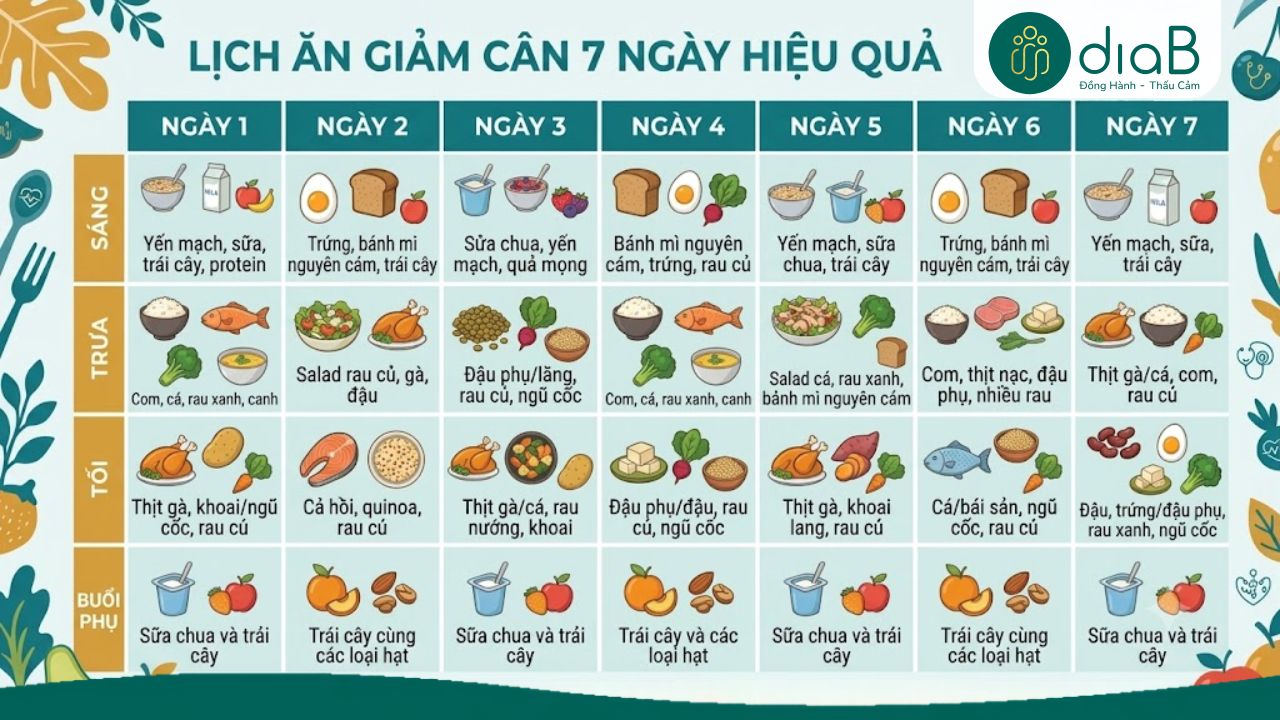
A Scientific, Nutrient-Rich 7-Day Weight-Loss Diet
Note: The meal plan above is for reference only and should not be applied rigidly or used as a fixed eating schedule for everyone. Nutritional needs vary according to age, physical condition, activity level, and health status. WHO also emphasizes that a balanced diet should be adjusted to individual needs.
Considerations When Developing a 7-Day Weight-Loss Meal Plan
To make a 7-day meal plan both nutritionally balanced and easy to maintain, attention should be paid to food choices, meal timing, and activity level. The following principles help establish scientifically sound eating habits that are appropriate for the body's needs.
Prioritize Healthy Foods
Minimally processed or unprocessed foods should form the foundation of the meal plan because they provide many essential nutrients. WHO recommends combining a variety of vegetables, fruits, legumes, whole grains, nuts, and appropriate protein sources, while limiting foods high in free sugars, unhealthy fats, and sodium.
Each meal can be built with multiple food groups rather than choosing only a few “weight-loss” foods. The Harvard Healthy Eating Plate suggests that about half the plate be devoted to vegetables and fruits, with the remainder combining whole grains and healthy protein sources; this is a visual model for reference, not a required portion.
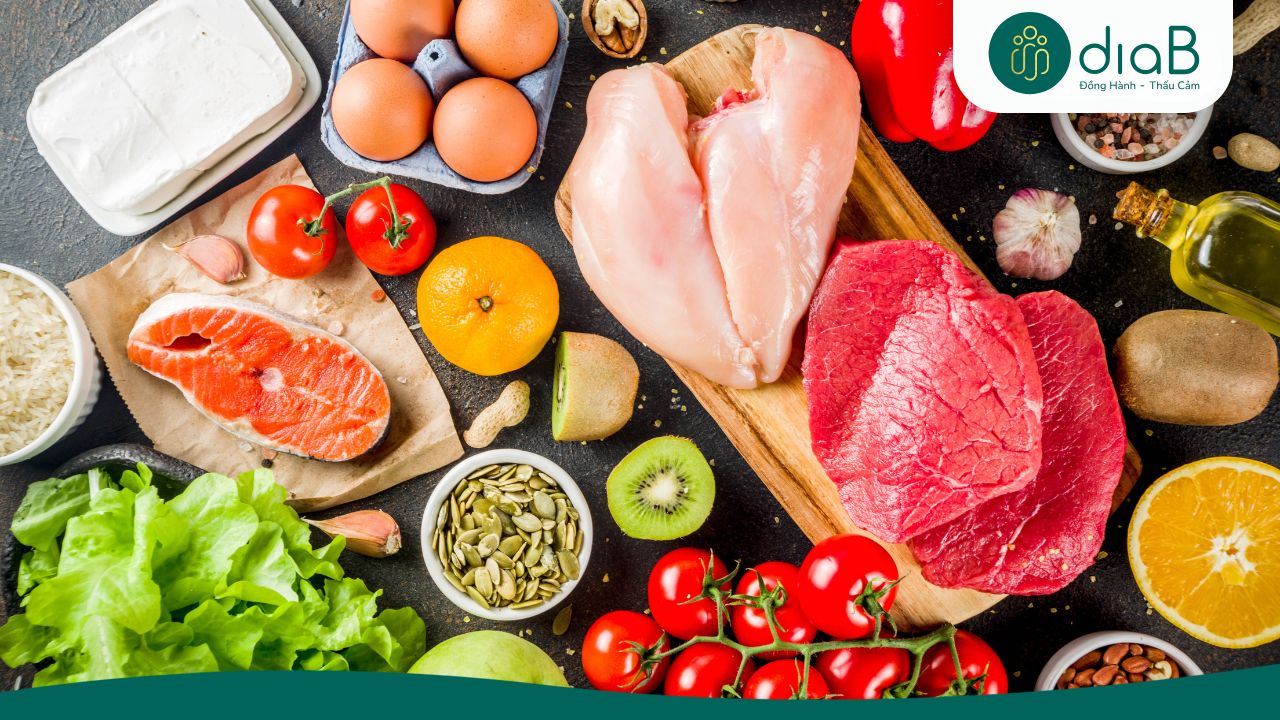 Prioritize Fresh Foods, Whole Grains, and Vegetables
Do Not Skip Meals
Skipping meals is not a mandatory condition for establishing a healthy diet, because an appropriate plan should ensure that the body receives adequate energy and essential nutrients. WHO emphasizes that the diet should meet each individual's nutritional needs, while WHO materials for adolescents also recommend maintaining healthy meals and snacks.
In particular, people who are in a period of development should not fast or drastically reduce their food intake on their own to change their weight. WHO states that adolescence is a period of rapid physical and cognitive development; therefore, adequate nutrition plays an important role in the growth process.
Always vary the menu items
Changing the foods makes the menu more varied and increases the ability to provide a range of vitamins, minerals, and other nutrients. WHO states that there is no single formula for a balanced diet because food composition may vary according to individual needs, locally available foods, and eating habits.
Fish can be replaced with poultry, eggs, or tofu; rice, oats, potatoes, and whole grains can be varied; and seasonal vegetables and fruits can be alternated. This approach makes the menu less monotonous while maintaining variety among the food groups.
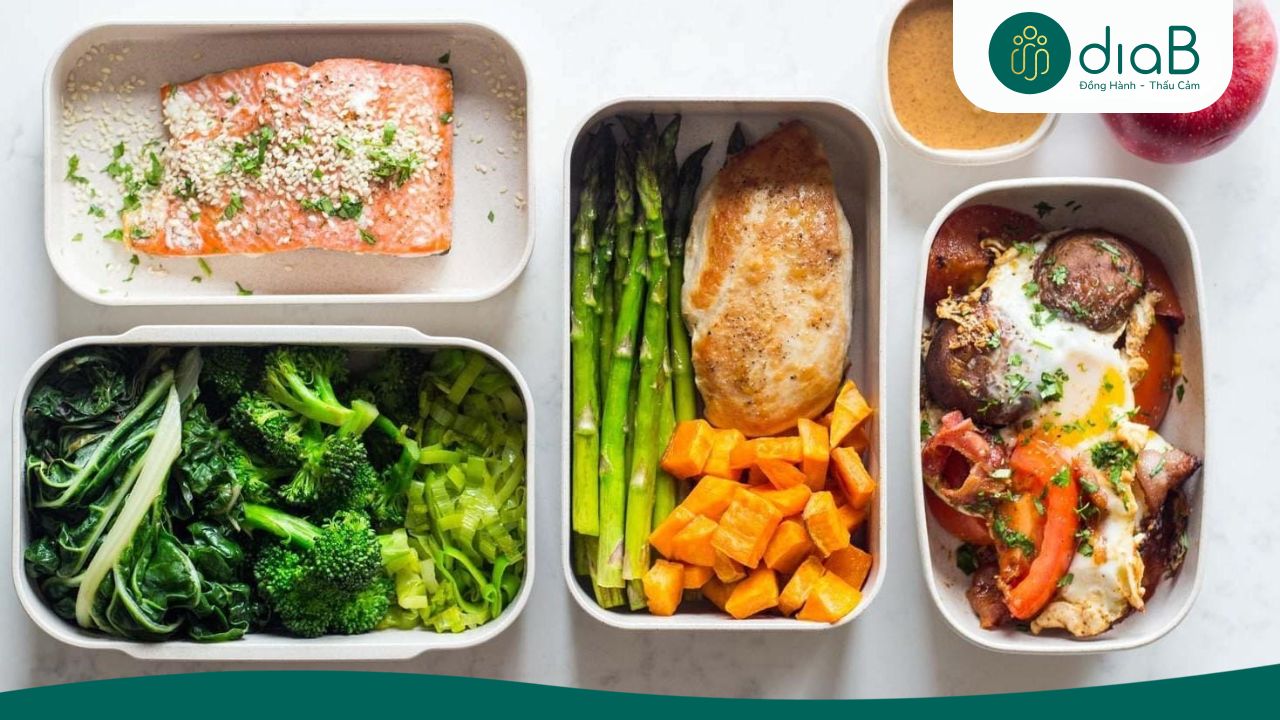
Flexibly varying the menu helps diversify nutrient sources
Combine a diet with exercise
A balanced diet should be combined with appropriate physical activity to support overall health and fitness. WHO considers a healthy diet and physical activity to be important components of a healthy lifestyle, while Harvard also includes physical activity in its guidance for children and adolescents alongside choosing a variety of foods.
Activities such as walking, cycling, swimming, or playing sports can be chosen according to age and preference. The goal should be to develop positive physical activity habits, not to exercise excessively to force weight loss.
A 7-day weight-loss meal plan should be developed based on a variety of foods, nutritional balance, and each person's individual needs. Maintaining healthy eating habits, exercising regularly, and remaining flexible in food choices can make the lifestyle-change process easier to follow. If guidance is needed to develop an appropriate nutrition plan, patients should consider DiaB's personalized solution for consultation and support from specialists.
DiaB – Personalized nutrition for weight-loss goals
An effective weight-loss meal plan should be appropriate for each person's physical condition, energy needs, health status, and individual goals. DiaB provides personalized nutrition solutions and assesses factors such as weight, blood glucose, blood pressure, blood lipids, cardiovascular health, and metabolic risks before developing an appropriate plan.
Rather than applying a one-size-fits-all diet, DiaB develops an individual pathway based on each person's weight goal, food preferences, daily schedule, and ability to maintain the plan. The plan is adjusted according to actual progress and combines nutrition, physical activity, lifestyle, and tracking technology to support weight control and sustainable improvement in metabolic health.
With support from a multidisciplinary team, DiaB assists users through:
- Personalized meal plans: Develop a diet appropriate for each person's health status, goals, and daily habits.
- Progress-based adjustments: Update portion sizes and food choices based on changes in weight, health indicators, and how well the person responds.
- Combining nutrition and lifestyle: Includes physical activity, sleep, stress management, and the development of healthy habits.
- Technology-based health monitoring: Record weight, blood glucose, blood pressure, and related indicators to assess and appropriately adjust the plan.
By developing a personalized nutrition plan, DiaB supports users step by step in gradually improving their weight and important health indicators:
- A commitment to losing 6–10% of body weight through a plan appropriate for physical condition and individual goals.
- Support for improving HbA1c, controlling blood glucose, and reducing the risk of metabolic disorders.
- Support for improving blood lipids, blood pressure, and cardiovascular health through adjustments to nutrition, physical activity, and lifestyle.
- Support for maintaining long-term results by developing scientifically sound eating habits and limiting the risk of regaining weight.

Develop an effective personalized nutrition pathway with DiaB
If you do not know how to start developing a weight-loss meal plan, DiaB provides a free meal plan and 1:1 nutrition guidance for 14 days, helping you find guidance better suited to your goals of weight control and improving metabolic health.
References:
- Healthy diet. (n.d.). Retrieved August 10, 2026, from https://www.who.int/vietnam/news/fact-sheets/detail/healthy-diet/
- The Best 7-Day Healthy Meal Plan, Created by a Dietitian. (n.d.). Retrieved August 10, 2026, from https://www.eatingwell.com/best-7-day-healthy-meal-plan-11840506