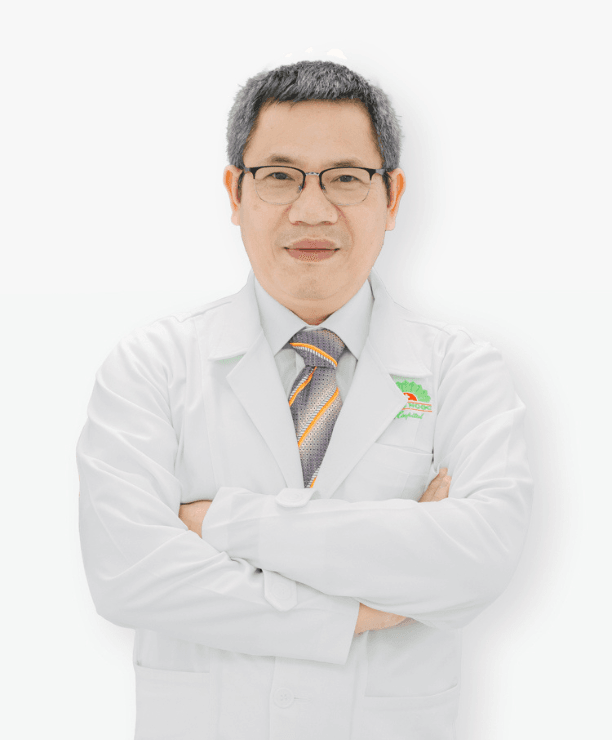
PhD, MD Do Chi Hung
MD, PhD Do Chi Hung is one of the leading experts in the field of Physical Therapy and Rehabilitation with nearly 40 years of specialized experience, helping to restore motor function and improve quality of life for thousands of patients.
Position: Physical Therapist - Rehabilitation Physician, Hong Ngoc Phuc Truong Minh General Hospital
Languages: Vietnamese, English
So 8 duong Chau Van Liem, Tu Liem Ward, Hanoi, Hanoi
Mon - Sun: 07:30-12:00, 13:30-17:00
About PhD, MD Do Chi Hung
MD, PhD Do Chi Hung is one of the leading experts in the field of Physical Therapy and Rehabilitation with nearly 40 years of specialized experience. The physician possesses an excellent educational foundation, having graduated from the Internal Medicine and Pediatrics program, completed Specialist Level I training, and successfully defended a doctoral dissertation in Rehabilitation at Hanoi Medical University.
Throughout his career, the physician has held many key leadership and management positions at major healthcare and training institutions, such as Head of the Department of Rehabilitation at E Hospital, and Head of the Department of Rehabilitation at the School of Public Health and the University of Pharmacy (Vietnam National University, Hanoi). With profound professional expertise, the physician has helped restore motor function and improve quality of life for thousands of patients.
When should you schedule an appointment with Dr. Do Chi Hung?
Patients should proactively schedule an in-person consultation with MD, PhD Do Chi Hung when they require intensive physical therapy intervention or experience the following health issues:
- Patients experiencing injuries or motor function impairment following musculoskeletal surgery, sports injury, or occupational accidents.
- Patients suffering from sequelae of limb paresis, difficulty walking, and challenges in daily activities due to stroke, spinal cord injury, or neuromuscular diseases.
- Patients with chronic spinal and musculoskeletal conditions such as lumbar disc herniation, spinal degeneration, shoulder periarthritis, and joint stiffness after immobility.
- Children showing signs of motor developmental delay, congenital torticollis, genu varum, or those requiring intensive pediatric rehabilitation intervention.
- Patients who need comprehensive screening and assessment of bodily functions and wish to establish a systematic, scientific exercise regimen for early community reintegration.
Guide to scheduling appointments and the examination process with Dr. Do Chi Hung
- Step 1: Make an appointment via Bcare by calling the hotline or filling out the booking information on the system to obtain a priority number and proactively select a time slot that fits your personal schedule.
- Step 2: Arrive at the facility's reception desk to verify your scheduled appointment at the registered time to quickly complete the information confirmation procedures.
- Step 3: Proceed to the Specialty Clinic for Physical Therapy - Rehabilitation as directed by healthcare professionals for a direct clinical examination and assessment of functional impairment by the physician.
- Step 4: Undergo advanced paraclinical orders such as radiography, Magnetic Resonance Imaging (MRI), bone densitometry, or neuromuscular functional studies as prescribed by the physician.
- Step 5: Return to the initial clinic to receive the diagnostic conclusion, accept the intervention regimen (including manual therapy techniques, use of supportive machinery, or therapeutic exercises), and receive a follow-up appointment.
Notes before the visit
- Patients must bring all medical records, X-ray, CT, and MRI films, previous prescriptions, or prior surgical outcomes so the physician can accurately assess the progression of the injury.
- Prepare information regarding disease onset, painful areas, limited range of motion, or history of trauma to discuss in detail with the physician.
- Patients should wear loose-fitting, stretchable clothing or sportswear to facilitate the physician's examination of joint range of motion and administration of therapy.
- For patients with paralysis or mobility difficulties following a stroke, family members should arrange for a companion to provide support throughout the examination and procedure.
- Proactively arrive approximately 10 to 15 minutes before the scheduled appointment time to complete reception procedures and verify information at the counter.
Frequently Asked Questions
When should the rehabilitation process begin for patients after a stroke to achieve the best results?
The optimal time to begin rehabilitation for post-stroke patients is as soon as possible, once vital signs (blood pressure, heart rate, respiratory rate) are stable and with permission from the attending physician. Early bedside intervention using facilitation techniques and proper posture changes helps prevent dangerous complications associated with prolonged bed rest, such as pressure ulcers, muscle atrophy, joint stiffness, or pneumonia. An active exercise regimen during the first 3 to 6 months will largely determine the potential for motor recovery and help patients regain independence in daily activities.
What is the core difference between Physical Therapy and Rehabilitation?
Physical Therapy and Rehabilitation are complementary concepts but have different scopes. Physical Therapy is a sub-specialty focused on using natural or artificial physical agents (such as electric current, sound waves, thermotherapy, light, and movement exercises) to reduce pain, provide anti-inflammatory effects, and restore muscle strength.
In contrast, Rehabilitation is a broader field that not only utilizes physical therapy but also combines speech therapy, occupational therapy, and orthotics to maximize the patient's remaining capabilities, helping them live independently and reintegrate into society.
Can patients with lumbar disc herniation be treated with rehabilitation without surgery?
More than 80% of mild to moderate cases of lumbar disc herniation respond very well to conservative treatment methods involving rehabilitation without the need for surgical intervention. The physician will establish a personalized regimen combining spinal decompression devices, thermotherapy, and electrical stimulation to reduce nerve root compression and muscle spasms. Specifically, patients will be guided through specialized therapeutic exercises to strengthen the core muscular system (abdominal and back regions), helping maintain spinal stability and sustainably prevent disease recurrence.
Professional strengths
Workplace
- •Department of Physical Therapy - Rehabilitation, Hong Ngoc Phuc Truong Minh General Hospital
Experience
- •1987 - 2003: Physician at E Hospital
- •2003 - present: Head of Department of Rehabilitation - E Hospital
- •2016 - present: Head of Department of Rehabilitation - School of Public Health
- •2022: Head of Department of Rehabilitation - University of Pharmacy, Vietnam National University, Hanoi
- •Currently working at the Department of Physical Therapy - Rehabilitation, Hong Ngoc Phuc Truong Minh General Hospital
Education & training
- •1987: Graduated from the Internal Medicine and Pediatrics program - Hanoi Medical University
- •1996: Completed Specialist Level I - Rehabilitation - Hanoi Medical University
- •2013: Earned PhD - Rehabilitation - Hanoi Medical University