
MSc, MD Duong Khanh Duy
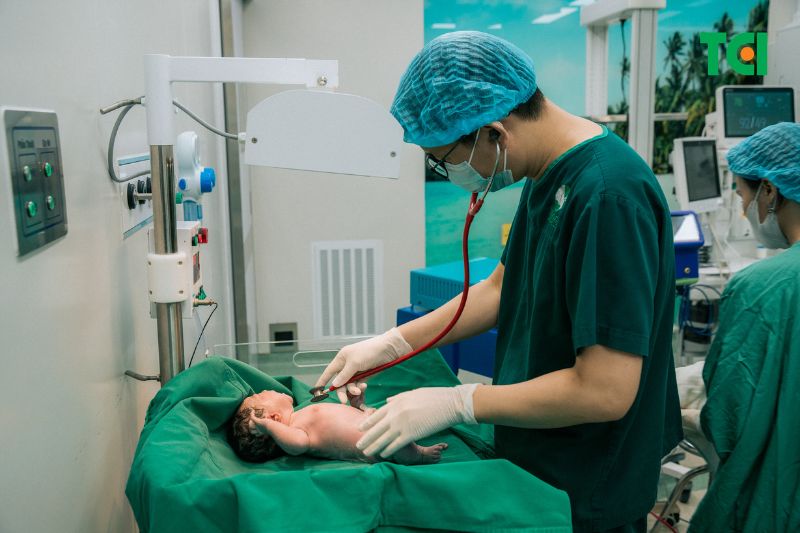
MD, MSc Duong Khanh Duy has specialized expertise in Pediatrics and Neonatology, with extensive experience in caring for premature and low-birth-weight infants and effectively treating infectious and gastrointestinal diseases during the early stages of life. The physician is consistently loved and trusted by parents due to his attentive, meticulous, yet humorous working style, which helps alleviate psychological pressure on families throughout their journey of caring for young children.
Position: Neonatologist at the Neonatal Unit, Department of Obstetrics and Gynecology – Thu Cuc International General Hospital
Languages: Vietnamese, English
286 Thuy Khue, Ba Dinh Ward, Hanoi, Hanoi
Mon - Sun: 06:30-12:00, 13:30-20:00
About MSc, MD Duong Khanh Duy
MD, MSc Duong Khanh Duy currently serves as a Neonatologist at the Neonatal Unit within the Department of Obstetrics and Gynecology - Thu Cuc TCI International General Hospital. He graduated as a General Practitioner from the University of Medicine and Pharmacy, Thai Nguyen University, subsequently completing a Master’s program in Pediatrics at Hanoi Medical University and Vietnam National Children's Hospital.
To optimize care for young children, the physician continuously updates advanced medical knowledge and holds certifications in the diagnosis and treatment of infectious diseases and vaccine safety. He is consistently loved and trusted by parents due to his attentive, meticulous, yet humorous working style, which helps alleviate psychological pressure on families throughout their journey of caring for young children.
Diseases diagnosed and treated by the physician
MD, MSc Duong Khanh Duy performs health monitoring, clinical examinations, and effective treatment for various issues in newborns and young children:
- Examination and treatment of specific neonatal conditions, including neonatal infection, physiologic/pathologic jaundice, neonatal dermatitis, oral thrush, physiologic gastroesophageal reflux, and gastrointestinal disturbances in breastfed infants.
- Intensive monitoring and care for premature and low-birth-weight infants, addressing early-life nutritional issues such as failure to thrive, malabsorption, or counseling for lactose intolerance cases.
- Diagnosis and management of common respiratory tract infections in young children, such as bronchiolitis, bronchitis, acute pharyngitis, influenza, and seasonal communicable diseases.
- Comprehensive counseling on preventive medicine, including routine health check-ups for newborns, assessment of physical and motor development, and advice on age-appropriate safe vaccination regimens.
Guide to scheduling appointments and the examination process with MD, MSc Duong Khanh Duy
- Step 1: Schedule an appointment in advance via the Bcare system (call the hotline or register online) to proactively select an examination time suitable for the baby’s daily routine, receive a priority code, and reduce waiting time.
- Step 2: Bring the baby to the Thu Cuc TCI International General Hospital facility according to the scheduled appointment. Reception staff will assist with verifying information, completing the initial medical record, and guiding the family to the Neonatal Clinic area.
- Step 3: Enter the clinic to meet Dr. Duong Khanh Duy directly. Parents should share specific details about the baby’s abnormal symptoms (frequency of milk regurgitation, stool characteristics, feeding schedule, sleep status...) with the physician. The doctor will engage in conversation to create a comfortable atmosphere and perform a gentle clinical examination for the baby.
- Step 4: Perform paraclinical tests (if indicated) as required by the physician, such as blood tests (checking infection markers, bilirubin measurement in the blood for jaundiced infants), cranial ultrasonography, or abdominal ultrasonography.
- Step 5: Return to the original clinic once results are available. Dr. Duy will analyze the medical indices in detail, provide a definitive diagnosis conclusion, prescribe medication, or guide the mother on scientific home care and feeding techniques for the baby.
Notes before taking a newborn for an examination:
- Parents should note down or take photos/short videos of any abnormal manifestations observed at home (such as stool color, posture when crying, skin rashes) to provide visual data for the physician.
- Please bring the baby’s complete vaccination record, birth certificate, and previous medical records or prescriptions (if any).
- It is recommended to dress the baby in simple, loose clothing that is easy to unbutton to facilitate quick cardiac auscultation, abdominal examination, or anthropometric measurements, avoiding distress to the baby.
- Prepare necessary personal items for the baby, such as diapers, soft cloths, and bottles (if formula-fed), for use during waiting periods or paraclinical procedures.
Frequently Asked Questions
How to differentiate between physiologic jaundice and pathologic neonatal jaundice?
Physiologic jaundice typically appears from day 2 to day 4 postnatally, with mild severity (localized only to the face, neck, and chest); the infant continues to feed well, sleeps peacefully, and it resolves spontaneously after 7-10 days. Conversely, pathologic jaundice often appears very early (within the first 24 hours postnatally) or persists for more than 2 weeks in term infants. The jaundice is darker, spreads rapidly to the entire body, palms, and soles, and is usually accompanied by other abnormal signs such as lethargy, refusal to feed, seizures, or acholic stool. Pathologic jaundice requires early detection and treatment with phototherapy to prevent dangerous neurotoxic complications.
When is milk regurgitation in newborns normal, and when is a visit to the doctor needed?
Milk regurgitation (physiologic gastroesophageal reflux) is very common in newborns because the stomach is still horizontal and the gastric cardia sphincter is weak. This phenomenon is considered normal if the baby only spits up a small amount of milk after feeding, remains happy, plays quietly, and gains weight regularly each month. However, parents should take the baby to see a doctor immediately if there is continuous regurgitation, vomiting of green or yellow fluid, projectile vomiting accompanied by fever, cough, dyspnea, abdominal distention, poor feeding, or stagnation/loss of weight.
What special home care and monitoring regime do premature and low-birth-weight infants need?
Premature infants have immature organ systems and require a very careful clinical care protocol. Parents must pay special attention to keeping the baby warm using Kangaroo care or appropriate warm clothing, maintaining a clean, well-ventilated living environment, and minimizing exposure to outsiders to prevent infection. Breast milk is the best dietary source for premature infants; feeds should be divided into smaller portions and given frequently throughout the day because the baby’s stomach is very small. Simultaneously, the family must adhere to the routine follow-up schedule with the neonatologist to closely monitor retinal development, hearing acuity, and physical indices.
Professional strengths
Workplace
- •Neonatal Unit, Department of Obstetrics and Gynecology – Thu Cuc International General Hospital
Experience
- •– 2013 – February 2020: Physician, Department of Pediatrics – Thai Nguyen Provincial General Hospital.
- •– April 2019 – May 2021: Part-time collaboration at the Neonatal Unit, Department of Obstetrics and Gynecology – Thu Cuc International General Hospital.
- •– June 2021 – present: Neonatologist at the Neonatal Unit, Department of Obstetrics and Gynecology – Thu Cuc International General Hospital.
Education & training
- •– 2013: Graduated from the University of Medicine and Pharmacy, Thai Nguyen University
- •– 2017 – 2019: Master of Pediatrics – Hanoi Medical University and Vietnam National Children's Hospital