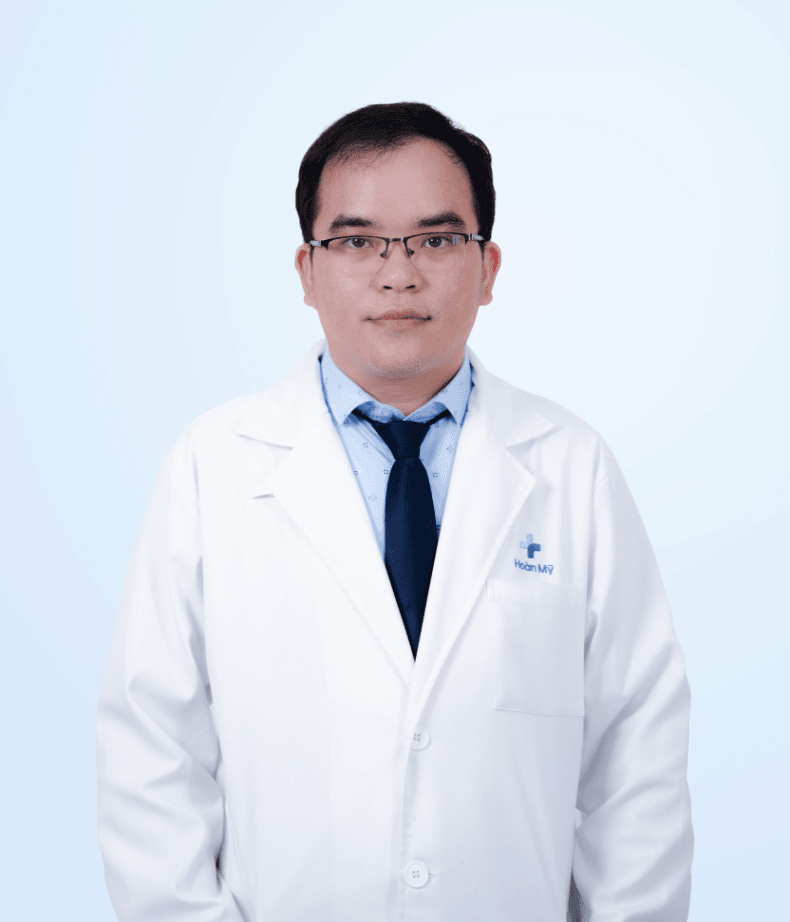
Specialist Level I Doctor Huynh Van Ut Chot
MD, Specialist Level I Huynh Van Ut Chot is a specialist physician in Gastrointestinal Surgery with expertise in endoscopic surgery for conditions such as gastric diseases, surgical treatment of inguinal hernia, and hemorrhoidectomy using stapled technique.
Position: Gastrointestinal Surgeon, Hoan My Cuu Long Hospital
Languages: Vietnamese, English
Lo 20, Duong Vo Nguyen Giap, Hung Phu Ward, Can Tho, Can Tho
Mon - Sat: 06:00-17:00
Sun: 06:00-11:20
About Specialist Level I Doctor Huynh Van Ut Chot
MD, Specialist Level I Huynh Van Ut Chot is one of the reputable gastrointestinal surgeons in the Mekong Delta region with 13 years of extensive medical experience. Currently, MD, Specialist Level I Huynh Van Ut Chot serves as an attending physician at the Gastrointestinal Surgery Department of Hoan My Cuu Long General Hospital. With a solid professional foundation upon graduating with a Specialist Level I degree in General Surgery from Can Tho University of Medicine and Pharmacy, the physician is highly regarded for his deep expertise in minimally invasive endoscopic surgery and the application of modern technology, providing peace of mind and optimal treatment effectiveness for patients.
Conditions examined and treated by the physician
Possessing a wealth of practical clinical experience along with specialized training certificates, MD, Specialist Level I Huynh Van Ut Chot specializes in receiving patients for examination, diagnosis, and effective treatment of the following groups of gastrointestinal surgical conditions:
- Gastric conditions requiring surgical intervention through advanced endoscopic surgery.
- Inguinal hernia conditions, directly performing endoscopic mesh repair to restore the abdominal wall, helping to reduce pain and limit recurrence.
- Specialized treatment of hemorrhoids using the modern stapled technique (Longo method), helping to minimize postoperative pain.
- Performing basic and intensive general ultrasonography to screen and accurately diagnose structural damage within the abdominal cavity.
- Examination, consultation, regimen orientation, and surgical intervention for gastrointestinal cancer conditions thanks to the certificate in Oncology Practice.
Guide to scheduling appointments and the examination process with MD, Specialist Level I Huynh Van Ut Chot
To ensure a smooth examination process without long waits, patients are requested to refer to the following steps:
- Step 1: Make an appointment via Bcare by calling the hotline or filling in appointment information on the system to obtain a priority number to save waiting time at the hospital.
- Step 2: Arrive to verify the scheduled appointment at the hospital reception desk to be guided to receive the patient health booklet and proceed to the physician's clinic.
- Step 3: Enter the clinic to meet the physician for clinical examination, specifically discussing abdominal pain, bulging in the groin area, or abnormal manifestations in the anorectum.
- Step 4: Move to the paraclinical area to perform indications such as general ultrasonography, gastroscopy-colonoscopy, Computed Tomography (CT) scans, or specialized diagnostic testing as required by the physician (if any).
- Step 5: Return to the initial clinic for the physician to read results, provide a definitive diagnosis, prescribe medication for internal medicine treatment, or consult and schedule appropriate endoscopic surgery for each patient.
Notes before going for an examination
- Patients need to fast completely in the morning (drink only filtered water) to ensure precision for general abdominal ultrasonography results as well as readiness for gastrointestinal endoscopy indications if any.
- Bring complete old medical records, imaging films, endoscopy results, and prescriptions currently being used at home so the physician can accurately assess disease progression and history.
- If intending to examine hemorrhoids or inguinal hernia, patients should proactively wear loose, comfortable clothing to facilitate the most favorable clinical examination process.
Frequently Asked Questions
What are the superior advantages of the stapled hemorrhoidectomy performed by the physician?
Stapled hemorrhoidectomy (commonly known as the Longo method) is one of the most modern techniques currently applied by physicians to bring gentleness to patients.
This method involves cutting and suturing the hemorrhoidal mucosa in the insensitive area of the anus (above the pectinate line), thereby minimizing pain sensation for patients in the postoperative period compared to traditional hemorrhoidectomy methods. The operative time is very rapid, the wound does not cause anal stenosis, helping patients reduce bleeding rates and quickly be discharged from hospital, returning to normal activities after just a few days.
What is inguinal hernia and when do patients need to undergo endoscopic surgical treatment with the physician?
Inguinal hernia is a condition where intra-abdominal viscera (usually intestine or greater omentum) protrude through a weak point in the abdominal wall at the groin, creating a distinct bulge that typically enlarges when standing, coughing, or straining and disappears while recumbent.
When inguinal hernia is detected, patients need early surgical intervention to restore the abdominal wall, avoiding dangerous complications such as strangulated hernia causing intestinal necrosis which is life-threatening. The physician will apply endoscopic mesh placement, a minimally invasive technique with super-small surgical wounds, helping patients experience less pain, achieve firm abdominal wall muscle recovery, and minimize recurrence risk.
How does the Certificate in Oncology Practice help the physician in treating gastrointestinal conditions?
The oncology specialty certificate strongly supports the physician in enhancing capacity for screening, detection, and early diagnosis of malignant tumors appearing in the gastrointestinal tract such as gastric cancer and colorectal cancer.
Thanks to intensive training in oncology, the physician has a comprehensive perspective to coordinate accurate staging assessment, thereby providing precise and safe lymph node dissection surgical regimens. This not only helps improve survival rates and prolong life span for cancer patients but also helps patients access correct multimodal therapy approaches right from the initial stage.
At which units did Dr. Huynh Van Ut Chot have practical medical work experience?
The physician has had a journey of 13 years of dedication and accumulating rich clinical experience at leading major hospitals in the region. After graduating from Can Tho University of Medicine and Pharmacy, from 2012 to 2018, the physician worked and honed surgical skills at Can Tho Central General Hospital, directly handling many complex gastrointestinal cases.
From January 2019 to the present, the physician officially transferred to work at the Gastrointestinal Surgery Department of Hoan My Cuu Long General Hospital, continuing to accompany and bring health to thousands of patients here.
Professional strengths
Workplace
- •Hoan My Cuu Long Hospital
Experience
- •2012-2018: Can Tho Central General Hospital
- •01/2019 to present: Hoan My Cuu Long General Hospital
Education & training
- •Graduated from Can Tho University of Medicine and Pharmacy – 2012
- •Graduated with Specialist Level I in General Surgery, Can Tho University of Medicine and Pharmacy – 2018
- •Training certificates include:
- •1. Certificate in Basic Laparoscopic Abdominal Surgery
- •2. Certification in Basic General Ultrasonography
- •3. Certificate in General Ultrasonography
- •4. Certificate in Oncology Practice