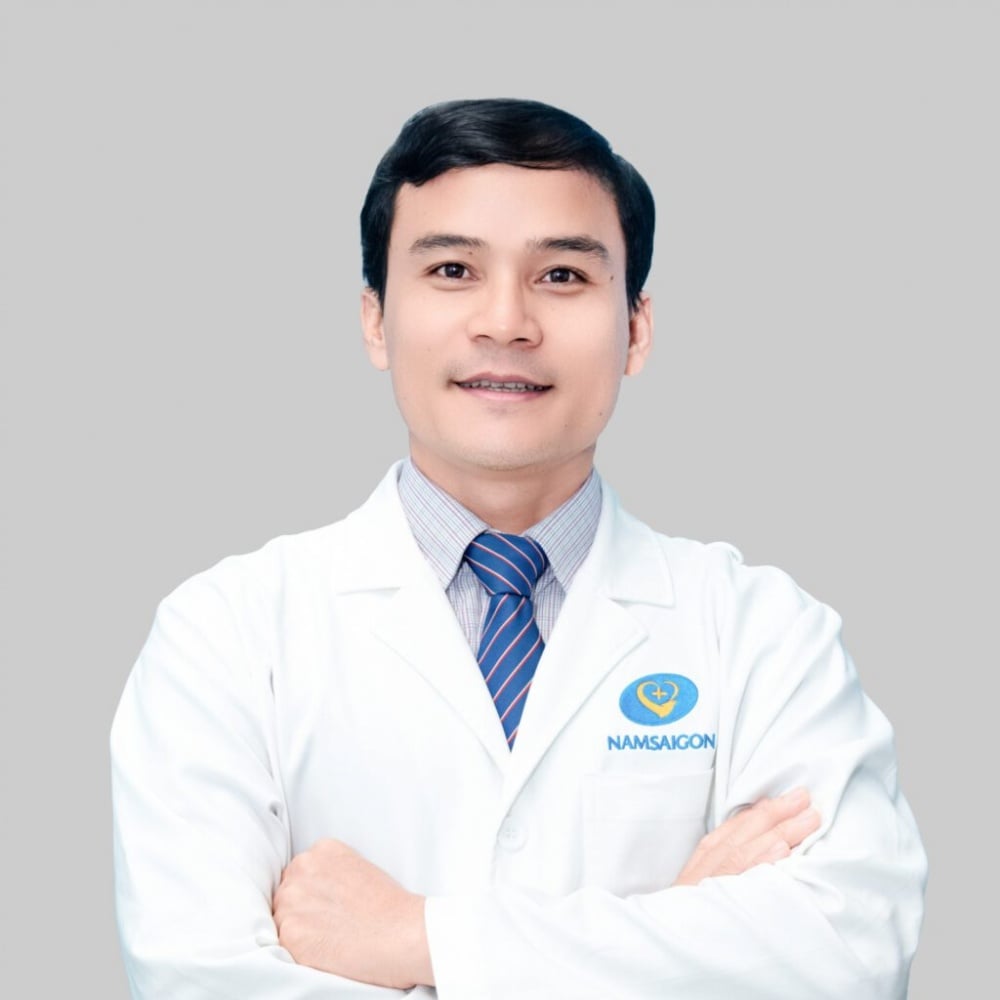
Specialist Level I Doctor Lam Chandra
Dr. Lam Chandra, MD, Specialist Level I, is one of the most experienced, dedicated, and reputable experts in the fields of Cardiology and General Internal Medicine. His solid professional foundation combined with meticulous care enables him to effectively diagnose and treat complex cardiovascular diseases and provide prophylaxis for perioperative cardiovascular risk.
Position: Deputy Head of Department, Outpatient Clinic – Nam Saigon International General Hospital
Languages: Vietnamese, English
So 88, Duong so 8, Khu dan cu Trung Son, Binh Hung Commune, Ho Chi Minh City, Ho Chi Minh City
Mon - Sat: 07:00-12:00, 13:30-17:00
Sun: 07:00-12:00
About Specialist Level I Doctor Lam Chandra
Dr. Lam Chandra, MD, Specialist Level I, is one of the most experienced, dedicated, and reputable experts in Cardiology and General Internal Medicine in Vietnam. He graduated as a General Practitioner (MD) in 2007 and received his MD, Specialist Level I degree in General Internal Medicine in 2013 from the University of Medicine and Pharmacy at Ho Chi Minh City. The physician has continuously enhanced his professional qualifications through training certificates in echocardiography, ECG interpretation, and general abdominal ultrasound.
With over 17 years of medical practice experience, the physician has held several key positions at Cu Chi District General Hospital and various international clinics, and was honored with the title of Grassroots Emulation Fighter awarded by the Ho Chi Minh City Department of Health. His extensive knowledge base combined with meticulous care helps him effectively diagnose and treat cardiovascular diseases, chronic internal medicine conditions, and provide prophylaxis for perioperative cardiovascular risk based on evidence-based medicine. Currently, Dr. Lam Chandra, MD, Specialist Level I, serves as Deputy Head of the Outpatient Clinic at Nam Saigon International General Hospital.
Diseases diagnosed and treated by Dr. Lam Chandra, MD, Specialist Level I
With a deep and broad professional foundation along with more than 17 years of clinical experience, Dr. Lam Chandra, MD, Specialist Level I, directly examines, consults, and treats patients for the following disease groups:
- Medical examination and treatment of heart failure, cardiac arrhythmia, coronary artery disease, valvular heart disease, and cardiomyopathy.
- Prophylactic treatment for cardiovascular risks due to atherosclerosis, hypertension, dyslipidemia, prediabetes, and hyperuricemia.
- Assessment and prophylaxis of perioperative cardiovascular risks for patients prior to surgery; consultation for periodic and intensive health screening based on evidence-based medicine.
- Comprehensive diagnosis and treatment of common and specialized general internal medicine diseases in adults.
Guide to booking appointments and the examination process with Dr. Lam Chandra, MD, Specialist Level I
- Step 1: Make an appointment via Bcare by calling the hotline or filling out the booking information on the system to obtain a priority number, helping to reduce waiting time and proactively manage examination time.
- Step 2: Arrive at Nam Saigon International General Hospital, verify the booked appointment information so that healthcare professionals can guide you through completing procedures and admit you to the Outpatient Clinic.
- Step 3: Enter the examination room to meet Dr. Lam Chandra, MD, Specialist Level I, for a clinical examination, including auscultation of the heart and lungs, blood pressure measurement, assessment of habitus, and detailed discussion of past medical history.
- Step 4: Perform necessary paraclinical tests such as blood tests, electrocardiogram (ECG), echocardiography, and general abdominal ultrasound according to the physician's professional advice.
- Step 5: Return to the examination room for the physician to read the paraclinical results, conclude the patient's condition, prescribe medication for medical treatment, and advise on long-term care and health monitoring plans.
Notes before going for an examination
- Bring your complete patient health booklet, current daily prescriptions, and all previous laboratory results, imaging films, and ECG recordings for the physician to review.
- Fast from breakfast if the patient requires it or is indicated to undergo blood chemistry tests (blood glucose, lipid profile, uric acid) or abdominal ultrasound in the morning.
- Wear loose, comfortable clothing to facilitate ECG recording, echocardiography, and other steps of the clinical examination.
- Prepare a list of abnormal symptoms (severity of chest pain, frequency of dyspnea, home blood pressure readings) to discuss in detail with the physician.
- Arrive 10 to 15 minutes before the scheduled appointment time to complete information verification procedures at the hospital reception desk.
Frequently Asked Questions
What are the warning signs of coronary artery disease or heart failure that patients should seek early examination for?
Patients should seek early cardiovascular examination when experiencing sensations of pain, tightness, or heaviness in the retrosternal area, which may radiate to the shoulder, back, or mandible. Additionally, symptoms such as dyspnea during mild exertion or when lying flat, shortness of breath, palpitations, and edema in both ankles are also warning signs of heart failure or myocardial ischemia that require timely evaluation by a specialist physician. Early diagnosis helps the physician establish an optimal control regimen to prevent the risk of dangerous complications.
What does prophylactic treatment for cardiovascular risks due to atherosclerosis and metabolic syndrome include?
Prophylaxis for cardiovascular risk due to atherosclerosis includes optimal control of risk factors such as hypertension, dyslipidemia, prediabetes, and hyperuricemia using appropriate medication regimens. In combination with this, patients need to adopt a healthy lifestyle, such as limiting high-salt diet intake, reducing animal fat consumption, quitting tobacco smoking, weight management, and maintaining regular exercise habits as advised by the physician. These measures help slow the progression of atherosclerosis and reduce complications from acute cardiovascular events.
Why do patients need to undergo perioperative cardiovascular risk assessment before undergoing surgery?
Perioperative cardiovascular risk assessment helps identify occult conditions such as coronary atherosclerosis, uncontrolled arrhythmia, or heart failure in patients before entering the operating room. This assessment helps the physician develop an optimal strategy to optimize cardiovascular function and prophylactically manage potential event risks. Thereby, it minimizes dangerous complications such as myocardial infarction, stroke, or arrhythmia during and after the surgical process.
Professional strengths
Workplace
- •Nam Saigon International General Hospital
Experience
- •2009 – 2017: Attending Physician – Department of Cardiology, Cu Chi District General Hospital
- •2017 – 2020: Deputy Head of Department of Cardiology – Cu Chi District General Hospital
- •2020 – 2022: General Internal Medicine Physician – Victoria Healthcare General Clinic
- •2022 – 2024: Physician in charge of professional activities at NovaMedic Clinic
- •2025 – Present: Cardiologist – General Internist – Deputy Head of Outpatient Clinic – Nam Saigon International General Hospital
Awards & recognition
- •Grassroots Emulation Fighter title issued by the Ho Chi Minh City Department of Health.
Education & training
- •2001 – 2007: General Practitioner (MD), University of Medicine and Pharmacy at Ho Chi Minh City.
- •2011 – 2013: MD, Specialist Level I – Major in General Internal Medicine, University of Medicine and Pharmacy at Ho Chi Minh City.
- •Certificate in Emergency Resuscitation – Trung Vuong Hospital
- •Vaccination Safety Certificate issued by HCDC.
- •Certificate in General Abdominal Ultrasound – Cho Ray Hospital
- •Certificate in Echocardiography – Pham Ngoc Thach University of Medicine.
- •Certificate in ECG Interpretation – Pham Ngoc Thach University of Medicine