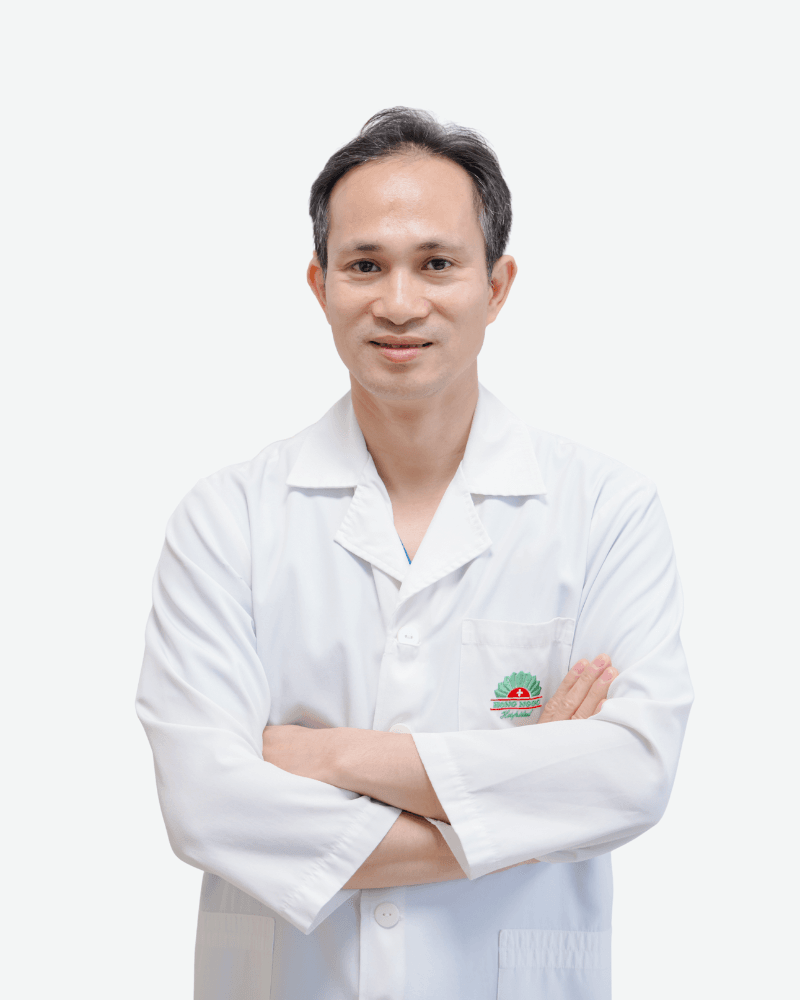
Specialist Level II Doctor Le Anh Tam
MD, MSc, Specialist Level II Le Anh Tam is an ophthalmologist with nearly 30 years of experience, specializing in modern phacoemulsification surgery with over 20,000 cases. He supports operating room organization and develops strategies for calculating monofocal, multifocal, and toric intraocular lenses at various localities.
Position: Ophthalmologist - Hong Ngoc Phuc Truong Minh General Hospital
Languages: Vietnamese, English
Khu C, Tang 11 - Benh vien Da khoa Hong Ngoc Phuc Truong Minh. So 8 Chau Van Liem, Tu Liem Ward, Hanoi, Hanoi
Mon - Sun: 07:30-12:00, 13:00-17:00
About Specialist Level II Doctor Le Anh Tam
MD, MSc, Specialist Level II Le Anh Tam is a leading ophthalmology expert with nearly 30 years of professional experience, particularly renowned in the field of phacoemulsification for cataract treatment and refractive surgery in Vietnam. The physician possesses a solid educational foundation, having earned a Master’s degree and Specialist Level II qualification in Ophthalmology from Hanoi Medical University, along with numerous advanced specialized training certificates from the Vietnam National Eye Hospital.
With an impressive track record of over 20,000 successful phacoemulsification surgeries, Dr. Le Anh Tam not only directly restores vision to patients but also serves as Alcon’s Clinical Application Specialist, focusing on training, transferring ocular biometry techniques, and managing risks for phacoemulsification surgeons nationwide.
Dr. Le Anh Tam’s Specialized Treatment Strengths
By mastering modern ophthalmic technologies and flexibly applying various advanced phacoemulsification machines, MD, MSc, Specialist Level II Le Anh Tam specializes in:
- Phacoemulsification surgery for treating cataracts (dry cataract) from basic to complex cases, utilizing premium artificial lens (IOL) types: monofocal, multifocal, and astigmatism-correcting lenses.
- Examination, consultation, and direct performance of modern refractive surgical procedures to eliminate the need for eyeglasses in patients with myopia, hyperopia, and astigmatism.
- In-depth examination and performance of fluorescein angiography techniques to diagnose dangerous fundus diseases such as diabetic retinopathy and macular degeneration.
- Precise calculation of ocular biometry to select lens power, optimizing postoperative visual acuity for patients.
Guide to Scheduling Appointments and Examination Procedures with Dr. Le Anh Tam
- Step 1: Make an appointment via the Bcare system by calling the hotline or filling out information online to receive a priority queue number, helping proactively choose a suitable time slot.
- Step 2: Arrive at the reception desk of the Eye Center, Hong Ngoc Phuc Truong Minh General Hospital, at the scheduled time so healthcare professionals can quickly complete information verification procedures.
- Step 3: Move to the Ophthalmology Specialty Clinic area where Dr. Le Anh Tam will conduct a direct clinical examination and check initial visual status.
- Step 4: Perform specialized paraclinical tests as ordered by the physician (if any), such as: objective refraction measurement, ocular ultrasonography, ocular biometry, or retinal fluorescein angiography.
- Step 5: Return to the clinic for the physician to analyze results, develop a lens calculation strategy (if phacoemulsification is needed), advise on the treatment regimen, and schedule follow-up appointments.
Important Notes for Patients
- Patients should bring all previous eye examination records, prescriptions, or current eyeglasses and contact lenses for the physician’s reference.
- If an in-depth fundus examination is required (such as fluorescein angiography), patients will be administered mydriatic drops causing temporary blurred vision for several hours; therefore, do not drive yourself to the appointment alone.
- It is advisable to prepare sunglasses to wear after the examination to protect the eyes from glare caused by the effect of mydriatic drugs.
- For patients with underlying conditions such as high blood pressure or diabetes mellitus, they must bring their prescriptions and ensure these indicators are well-controlled before undergoing pre-surgical examination steps.
- Patients should arrive approximately 10–15 minutes earlier than their appointment time to ensure the administrative process proceeds smoothly.
Frequently Asked Questions
What is the importance of ocular biometry in phacoemulsification surgery?
Ocular biometry involves measuring geometric parameters of the eye, such as axial length of eyeball, corneal curvature, and anterior chamber depth. This step is extremely critical because it determines the accuracy of the power of the artificial lens to be implanted in the patient’s eye. As an expert who directly organizes ocular biometry courses, I always apply the most modern calculation formulas to minimize postoperative refractive errors, helping patients achieve optimal, sharp vision and limiting dependence on eyeglasses after surgery.
What is the difference between monofocal, multifocal, and toric lenses?
- Each type of artificial lens (IOL) is designed to meet different visual needs of patients:
- Monofocal lens: Helps patients see clearly at a specific distance (usually distance vision for driving or watching TV). When reading books or performing near work, patients still need to wear reading glasses.
- Multifocal lens: Provides clear vision at multiple distances (far, intermediate, near), allowing patients to comfortably engage in daily activities, read, and use mobile phones with minimal reliance on auxiliary glasses.
- Toric lens (for astigmatism correction): Specifically designed for cataract patients with significant corneal astigmatism, addressing both issues in a single surgical procedure.
When is retinal fluorescein angiography indicated, and is it safe?
Retinal fluorescein angiography is a technique involving the intravenous injection of a special dye into the arm vein, followed by capturing images of the blood vessels in the ocular fundus using specialized equipment as the dye circulates through them. This technique is indicated when the physician suspects deep retinal lesions such as diabetic retinopathy, central retinal vein occlusion, or age-related macular degeneration. It is a highly safe diagnostic imaging method that helps physicians clearly visualize leakage, ischemia, or neovascularization to promptly prescribe laser therapy or intravitreal injection regimens.
Professional strengths
Workplace
- •Hong Ngoc Phuc Truong Minh General Hospital
Experience
- •1998 - 2001: Phu Tho Provincial Preventive Health Center
- •2001 - 2003: High-Region Youth Volunteer – Yen Mao, Thanh Thuy, Phu Tho
- •2003 - 2010: Center for Social Disease Prevention, Phu Tho Province
- •2010 - Present: Ophthalmologist - Hong Ngoc General Hospital
- •Clinical Application Specialist, supporting training for phacoemulsification surgeons - Alcon Company
- •Organizing ocular biometry courses for technicians and phacoemulsification surgeons
- •Directly supporting training and risk management for phacoemulsification surgeons
- •Participating in phacoemulsification surgery, supporting operating room organization, and developing strategies for calculating monofocal, multifocal, and toric lenses at hospitals
Education & training
- •1998: Doctor of Medicine at Thai Nguyen International Hospital
- •2005 - 2006: Ophthalmology Orientation - Hanoi Medical University
- •2006 - 2008: Master’s Degree - Hanoi Medical University
- •2012 - 2013: Phacoemulsification Surgery Training - Vietnam National Eye Hospital
- •2013: Refractive Surgery Training - Vietnam National Eye Hospital
- •2016 - 2017: Fluorescein Angiography - National Geriatric Hospital
- •2017: Received Certificate in Advanced Phacoemulsification Surgery
- •2019 - 2020: Basic Medical Pedagogy - Hanoi Medical University
- •2019 - 2021: Specialist Level II in Ophthalmology at Hanoi Medical University
- •2022: Refractive Surgery Training - Hanoi Medical University