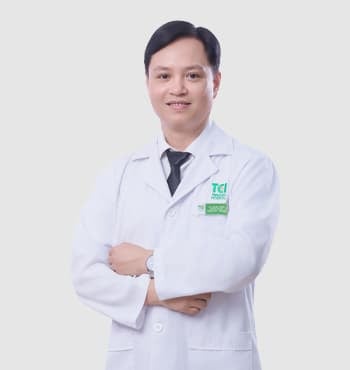
Doctor (MD) Lê Xuân Thắng
Dr. Le Xuan Thang is one of the most experienced specialists in Functional Exploration and Gastrointestinal Endoscopy. With outstanding expertise in diagnostic endoscopy, early gastrointestinal cancer screening, and a friendly, attentive demeanor, he consistently provides patients with reassurance and comfort.
Position: Head of the Functional Exploration - Gastrointestinal Endoscopy Unit, Thu Cuc Dai Tu General Clinic
Languages: Vietnamese, English
Eco Lake View, 32 Dai Tu, Hoang Mai Ward, Hanoi, Hanoi
Mon - Sun: 08:00-12:00, 13:30-17:00
About Doctor (MD) Lê Xuân Thắng
Dr. Le Xuan Thang is one of the most experienced specialists in Functional Exploration and Gastrointestinal Endoscopy. After graduating as a General Practitioner from the Military Medical Academy and completing his specialty orientation program in Gastrointestinal Endoscopy at Military Hospital 103, Dr. Thang possesses a solid professional foundation and precise procedural skills. Throughout his career, he has worked at leading healthcare facilities such as Military Hospital 103 and Military Hospital 109, and was honored as one of ten young physicians awarded the Dang Thuy Tram Prize in 2016.
To enhance diagnostic quality, the physician continuously updates new technologies and techniques through numerous national gastroenterology scientific conferences. With outstanding expertise in diagnostic endoscopy, early gastrointestinal cancer screening, and a friendly, attentive demeanor, he consistently provides patients with reassurance and comfort. Currently, Dr. Le Xuan Thang serves as Head of the Functional Exploration - Gastrointestinal Endoscopy Unit at Thu Cuc Dai Tu General Clinic.
What conditions does Dr. Le Xuan Thang specialize in examining and treating?
Dr. Le Xuan Thang has in-depth expertise in functional exploration, performing modern endoscopic procedures, and diagnosing and treating various gastrointestinal diseases:
Early Gastrointestinal Cancer Screening:
- Performing gastroscopy and colorectal endoscopy using modern technology to detect premalignant lesions, polyps, ulcers, or tumors at very early stages.
- Advising on monitoring regimens and timely interventions for high-risk individuals for gastrointestinal cancer.
Diagnostic Endoscopy and Therapeutic Gastrointestinal Interventions:
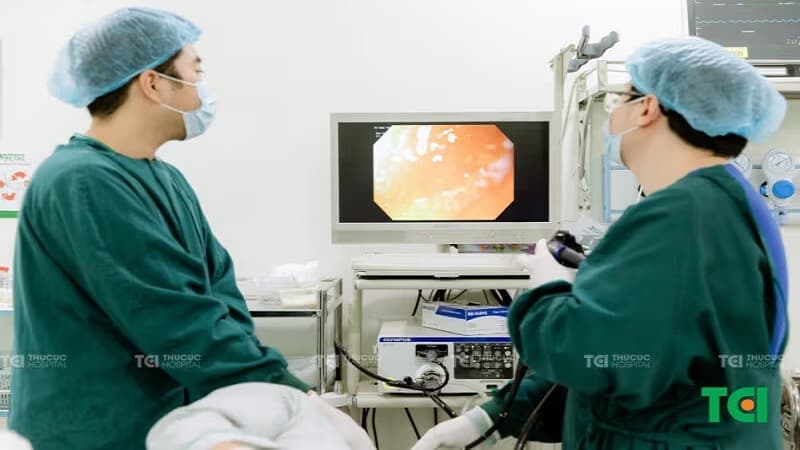
- Esophagogastroduodenoscopy (gastroscopy) and colorectal endoscopy (standard or painless/sedated) to visualize the gastrointestinal mucosa in detail.
- Performing endoscopic procedures such as gastric and colonic polypectomy, removal of gastrointestinal foreign bodies, and biopsy for histopathologic diagnosis.
Examination and Treatment of Stomach - Esophageal Diseases:
- Diagnosing and treating gastroesophageal reflux disease (GERD) and esophagitis.
- Examining and advising on treatment regimens for gastroduodenal ulceration and Helicobacter pylori (HP) infection.
Treatment of Colorectal and Bowel Diseases:
- Examining and treating irritable bowel syndrome (IBS), acute and chronic colitis, and spastic colon.
- Diagnosing causes of prolonged gastrointestinal disturbance, gastrointestinal hemorrhage, hematochezia, constipation, or chronic diarrhea.
Guide to Booking an Appointment and Examination Process with Dr. Le Xuan Thang
- Step 1: Make an appointment via Bcare by calling the hotline or filling out the booking form on the system to obtain a priority number, helping you proactively choose your examination time and reduce waiting times.
- Step 2: Arrive to verify your scheduled appointment at the reception desk, where healthcare professionals will assist with administrative procedures and guide the patient to the Functional Exploration - Gastrointestinal Endoscopy Unit.
- Step 3: Enter the consultation room to meet Dr. Le Xuan Thang, who will listen to symptoms, take the past medical history, and order appropriate clinical examinations or endoscopy.
- Step 4: Perform indicated endoscopies, laboratory tests, or radiology studies as directed by the nurse if ordered by the physician (prepare for bowel evacuation or fasting if undergoing endoscopy).
- Step 5: Return to the initial consultation room for the physician to review endoscopy results, provide a definitive diagnosis, prescribe medication, advise on treatment regimens and health care, and schedule a follow-up visit.
Notes Before Your Visit:
- Bring all identification documents, your patient health booklet, and previous test results or endoscopy reports (if available).
- Arrive approximately 10–15 minutes before your scheduled time to complete appointment confirmation procedures at the reception desk.
- For gastroscopy: Fast for at least 6 hours and avoid drinking plain water for at least 2 hours before the procedure.
- For colonoscopy: Adhere strictly to the medication instructions for bowel preparation as prescribed by the physician prior to the procedure.
- If opting for painless endoscopy (sedation/premedication), the patient must be accompanied by a family member and must not drive themselves after the procedure.
- Clearly inform the physician if there is a history of drug allergy, underlying cardiovascular or respiratory conditions, or pregnancy/lactation status.
Frequently Asked Questions
Is painless gastroscopy safe, and what sensations are experienced during the procedure?
Painless gastroscopy (sedated endoscopy) is a safe method that allows patients to undergo the procedure gently, completely free from pain, nausea, or discomfort. During the procedure, the physician administers an appropriate short-acting preanesthetic medication, causing the patient to fall into a peaceful sleep and wake up immediately about 5–10 minutes after the procedure ends. This method also enables the physician to observe the gastric mucosa more thoroughly and accurately, as the patient does not experience spasms or restlessness.
When should one undergo early gastrointestinal cancer screening?
Patients should proactively seek early gastrointestinal cancer screening (stomach, colorectal) if they belong to the following groups: individuals aged 40 years or older; those with a family history of gastric cancer or colon carcinoma; those with prolonged Helicobacter pylori infection, chronic gastritis, or colonic polyps; those with habits of tobacco smoking or frequent consumption of alcoholic beverages; or those experiencing abnormal symptoms such as anorexia, weight loss of unknown etiology, prolonged abdominal pain, or hematochezia.
What dietary precautions should patients with chronic colitis observe daily?
Patients with chronic colitis need to maintain a scientific diet to prevent exacerbations. Patients should eat cooked food and drink boiled water, prioritizing easily digestible foods such as porridge, soup, lean pork, and steamed fish; divide meals into smaller portions throughout the day. Simultaneously, minimize raw foods, salads, fermented foods, greasy foods, spicy hot foods, and stimulants such as alcohol, beer, and coffee. Maintaining mental well-being and avoiding tension also helps achieve better symptom control.
Professional strengths
Workplace
- •Thu Cuc Dai Tu General Clinic
Experience
- •Previously worked at major hospitals such as Military Hospital 103 and Military Hospital 109.
Awards & recognition
- •One of ten young physicians awarded the 2nd Dang Thuy Tram Prize in 2016.
Education & training
- •2008: Graduated as a General Practitioner – Military Medical Academy.
- •09/2017: Completed specialty orientation in Gastrointestinal Endoscopy – Military Hospital 103.