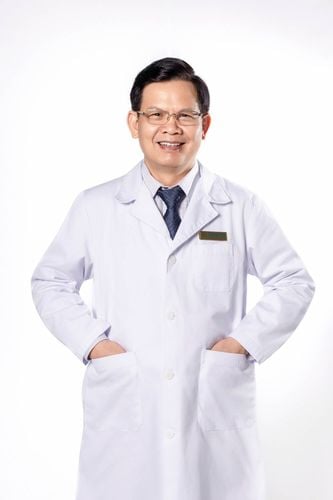
PhD, MD Mai Duc Hung
MD, PhD Mai Duc Hung is one of the most experienced, dedicated, and reputable experts in General Surgery and Gastrointestinal, Hepatobiliary, and Pancreatic Surgery. The combination of extensive professional knowledge and decades of practical experience enables the physician to accurately diagnose and effectively treat complex gastrointestinal diseases, providing patients with peace of mind and confidence.
Position: Director of the Center for General Surgery and Head of the Department of General Surgery - Vinmec Central Park International Hospital
Languages: Vietnamese, English
So 208 Nguyen Huu Canh, Binh Thanh Ward, Ho Chi Minh City, Ho Chi Minh City
Mon - Fri: 08:00-11:00, 13:00-16:00
Sat: 08:00-11:00
About PhD, MD Mai Duc Hung
MD, PhD Mai Duc Hung is one of the most experienced, dedicated, and reputable experts in General Surgery and Gastrointestinal, Hepatobiliary, and Pancreatic Surgery in Vietnam. With 39 years of medical practice experience, Dr. Hung has spent 25 years directly examining, treating, researching, and teaching at the Military Medical Academy and People's Hospital 115.
The physician possesses a solid educational foundation, having graduated as a Military Physician, MD, Specialist Level I in General Surgery, PhD in Gastrointestinal, Hepatobiliary, and Pancreatic Surgery, and MD, Specialist Level II in Gastrointestinal, Hepatobiliary, and Pancreatic Surgery from the Military Medical Academy, as well as obtaining a Master's degree in General Surgery from the University of Medicine and Pharmacy at Ho Chi Minh City. The combination of extensive professional knowledge and decades of practical experience enables the physician to accurately diagnose and effectively treat complex gastrointestinal diseases, providing patients with peace of mind and confidence. Currently, MD, PhD Mai Duc Hung serves as the Director of the Center for General Surgery and Head of the Department of General Surgery at Vinmec Central Park International Hospital.
Treatment Experience of MD, PhD Mai Duc Hung
With 39 years of experience in the medical field and decades of direct emergency care, surgery, and teaching at leading hospitals, MD, PhD Mai Duc Hung has successfully diagnosed and treated numerous cases of gastrointestinal surgical conditions ranging from simple to complex:
- Directly performing examinations, diagnoses, and surgical treatments for gastric cancer, colorectal cancer, and esophageal cancer, helping to remove lesions and restore digestive function for patients.
- Performing surgical procedures for the treatment of gallstones, choledocholithiasis, pancreatitis, biliary cysts, and complex tumors in the hepatobiliary and pancreatic region.
- Diagnosing and applying modern surgical techniques to treat hemorrhoids, anal fistula, anal fissure, rectal prolapse, and inflammatory conditions of the anorectum.
- Directly performing emergency surgery for critical cases such as acute appendicitis, gastric and duodenal perforation, intestinal obstruction, strangulated inguinal hernia, and closed abdominal trauma.
Guide to Booking Appointments and Examination Procedures with MD, PhD Mai Duc Hung
- Step 1: Make an appointment via Bcare by calling the hotline or filling out the booking information on the system to obtain a priority number, helping to reduce waiting time and proactively manage examination time.
- Step 2: Arrive at Vinmec Central Park International Hospital, verify the booked appointment details so that healthcare professionals can guide you through completing the procedures and admit you to the Department of General Surgery.
- Step 3: Enter the clinic to meet MD, PhD Mai Duc Hung for clinical examination, abdominal assessment, evaluation of gastrointestinal symptoms, and review of past medical history from the patient.
- Step 4: Undergo necessary paraclinical tests such as gastroscopy/colonoscopy, computed tomography (CT scan) of the abdomen, abdominal ultrasonography, or blood tests according to the physician's professional advice.
- Step 5: Return to the clinic for the physician to interpret results, conclude the disease status, advise on a medical treatment regimen, or hold a consultation to plan appropriate interventional surgery.
Notes Before the Appointment
- Bring your complete patient health booklet, current daily prescriptions, and all previous laboratory results, imaging films, and endoscopy reports to allow the physician to easily compare disease progression.
- Fast before breakfast if the patient requires it or is indicated for blood tests, abdominal ultrasonography, or preparation for gastroscopy/colonoscopy on the same day.
- Wear loose, comfortable clothing to facilitate clinical examination of the abdomen and diagnostic procedures.
- Clearly inform the physician if you are taking anticoagulants, medication for chronic medical conditions, or have a history of drug allergy or contrast agent allergy.
- Arrive 10 to 15 minutes before the scheduled appointment time to complete information verification procedures at the hospital reception desk.
Frequently Asked Questions
What abnormal gastrointestinal symptoms warn patients to seek immediate medical attention?
Patients should proactively seek specialty examination in Gastrointestinal, Hepatobiliary, and Pancreatic Surgery when experiencing manifestations such as severe abdominal pain or prolonged dull pain, dysphagia, anorexia, nausea, hematochezia, or melena. Additionally, rapid weight loss of unknown etiology or altered bowel habit are also warning signs of pathology that require early investigation.
What are the advantages of endoscopic surgery for the gastrointestinal tract?
Endoscopic surgery for the gastrointestinal tract allows physicians to clearly observe intra-abdominal lesions on a magnified screen to perform precise manipulations through very small incisions. This method helps patients reduce postoperative pain, minimize infection risk and blood loss. As a result, the restoration of health occurs more quickly, helping patients shorten their hospitalization time.
What preparations do patients need to make before undergoing gastrointestinal surgery?
Before surgery, patients must strictly follow the nil by mouth instructions according to the time specified by the physician to ensure safety during anesthesia. Patients also need to proactively provide full information about their past medical history of chronic conditions, medications currently being taken, and any allergies. Maintaining a relaxed mindset and cooperating with the medical team also helps the intervention proceed smoothly.
What dietary and activity precautions should patients take after gastrointestinal surgical intervention?
After surgery, patients should actively engage in gentle movement in bed as directed by healthcare professionals to stimulate intestinal motility to resume. The diet should start with liquid, easily digestible foods such as thin porridge or soup, then gradually transition to solid food depending on the recovery status of the digestive system. At the same time, patients need to keep the surgical wound dry and clean and take medication exactly as prescribed by the physician.
Professional strengths
Workplace
- •Vinmec Central Park International Hospital
Experience
- •1987 - 1998: Military Physician, Military Region 9; Company Cadre, Regimental Chief of Medical Services
- •1999 - 2024: Lecturer, Head of Training Division, Training Operations, Southern Branch - Military Medical Academy
- •2001 - 2024: Physician, Lecturer; Examination, Treatment, and Teaching, People's Hospital 115
Education & training
- •1981 - 1987: Military Physician, Military Medical Academy, Hanoi
- •1995 - 1997: MD, Specialist Level I in General Surgery, Military Medical Academy, Ho Chi Minh City
- •2001 - 2003: Master of General Surgery, University of Medicine and Pharmacy at Ho Chi Minh City
- •2008 - 2011: PhD in Gastrointestinal, Hepatobiliary, and Pancreatic Surgery, Military Medical Academy, Hanoi
- •2019 - 2021: MD, Specialist Level II in Gastrointestinal, Hepatobiliary, and Pancreatic Surgery, Military Medical Academy, Ho Chi Minh City