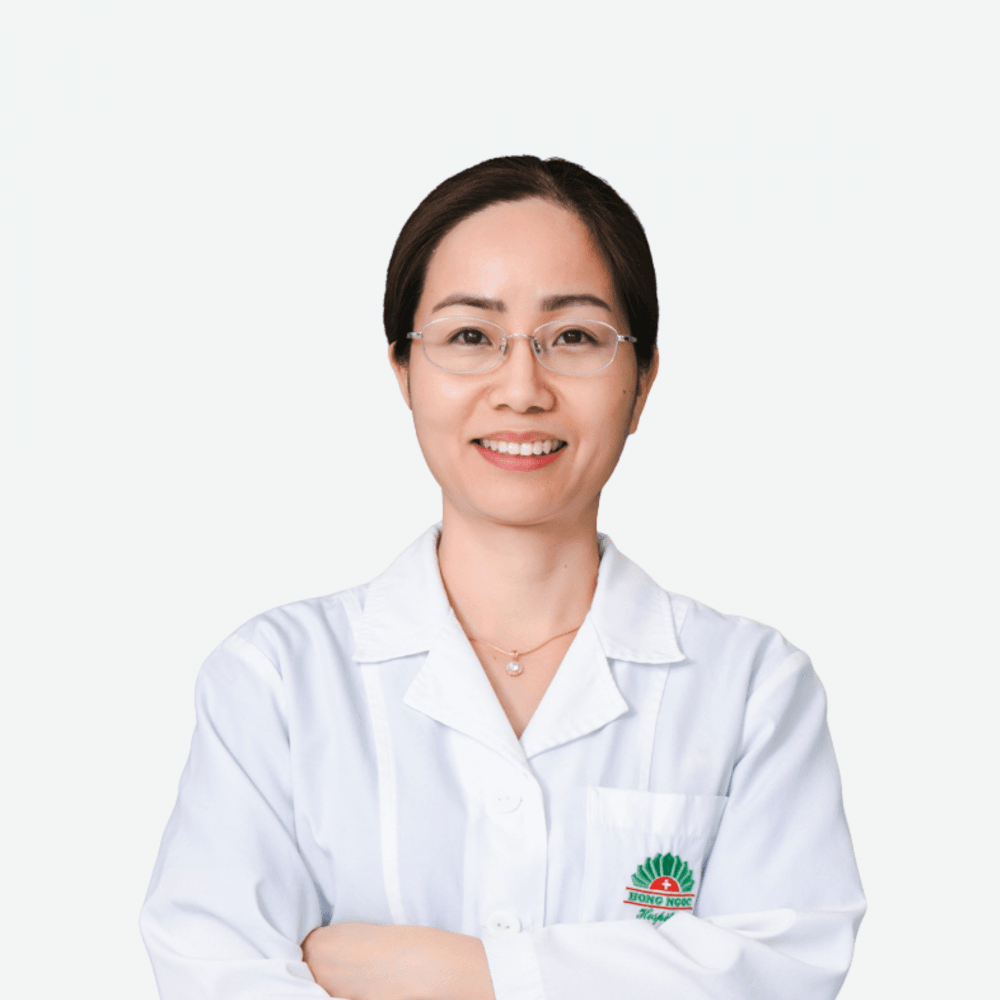
MSc, MD Nguyen Thi Tinh
MD, MSc. Nguyen Thi Tinh is a reputable pediatric specialist with 15 years of extensive clinical experience. The physician has exceptional strengths in the comprehensive diagnosis and treatment of pediatric gastrointestinal diseases, with particular expertise in managing functional gastrointestinal disorders, food allergies, and providing nutritional regimen counseling for young children.
Position: Head of Pediatric Gastroenterology Department - Hong Ngoc Phuc Truong Minh Hospital
Languages: Vietnamese, English
So 8 duong Chau Van Liem, Tu Liem Ward, Hanoi, Hanoi
Mon - Sun: 07:30-12:00, 13:30-17:00
About MSc, MD Nguyen Thi Tinh
MD, MSc. Nguyen Thi Tinh is a reputable pediatric specialist with more than 15 years of intensive and deep clinical work experience. The physician graduated from the General Medicine program at Hue University of Medicine and Pharmacy (2011) and completed a Master of Medicine degree specializing in Pediatrics at Hanoi Medical University (2021). Her professional competence is evidenced by over a decade of dedication at Nghe An Obstetrics and Pediatrics Hospital (2011–2022) before officially joining the Hong Ngoc healthcare system.
In addition, the physician continuously updates her specialized medical knowledge through certificates on functional gastrointestinal disorders, allergic diseases, and Hematology - Blood Transfusion in children. With solid expertise and dedication, she currently serves as Head of the Pediatric Gastroenterology Department at Hong Ngoc Phuc Truong Minh General Hospital.
Diseases examined and treated by the physician
As the head of the pediatric gastroenterology specialty, MD, MSc. Nguyen Thi Tinh directly examines, diagnoses, and develops comprehensive treatment regimens for pediatric patients with the following groups of diseases:
- Examination and treatment of common functional gastrointestinal disorders in infants and young children, such as regurgitation, gastroesophageal reflux, functional constipation, diarrhea, and colic.
- Examination and treatment of intestinal bacterial infections, acute and chronic gastroenteritis, malabsorption syndrome, and gastrointestinal disturbances caused by dysbiosis in children.
- Counseling and treatment of conditions related to Pediatric Nutrition, such as picky eating in children, malnutrition, rickets, slow absorption or lactose intolerance, and cow's milk protein allergy.
- Management and treatment of common allergic diseases in young children, including allergic rhinitis, urticaria, pruritic papules, and allergic manifestations with an etiology related to food or weather.
- Accepting examinations and management of general Pediatrics cases, periodic growth monitoring, and counseling on holistic care regimens for children from the neonatal period.
Guide to booking appointments and the examination procedure with Dr. Nguyen Thi Tinh
- Step 1: Make an appointment via Bcare by calling the hotline or filling in booking information on the system to obtain a priority number and proactively select a time slot suitable for the family's schedule.
- Step 2: Go to the reception desk of the Pediatrics Department at the Hong Ngoc Phuc Truong Minh Hospital facility to verify the booked appointment so that staff can quickly complete the file opening procedures.
- Step 3: Move into the clinic room where MD, MSc. Nguyen Thi Tinh will directly inquire about symptoms, take a history of diet and stool characteristics, and perform a thorough clinical examination for the child.
- Step 4: Perform paraclinical tests according to the physician's medical orders, including stool tests (residue examination, detection of red blood cells/leukocytes, dysbiosis), blood tests, abdominal ultrasonography, or Gastrointestinal Endoscopy when necessary.
- Step 5: Return to the initial clinic room to hear the physician review the results, provide diagnostic conclusions, guide the medical treatment regimen combined with counseling on appropriate nutrition and lifestyle habits for the baby.
Notes before the visit
- Families need to prepare and bring all patient health booklets, current prescriptions, vaccination records, or laboratory results, and recent stool characteristics of the child for the physician to compare.
- For children visiting due to chronic gastrointestinal symptoms or requiring morning blood tests, parents should have the child fast before breakfast to avoid affecting the precision of the results.
- Parents should carefully observe or photograph the child's stool characteristics and vomitus at home (if any) to provide visual information helping the physician diagnose the disease more accurately.
- It is recommended to dress the child in loose, comfortable clothing, button-up shirts, or soft dresses to allow the physician to easily perform palpation and examine the abdomen.
- Families should proactively arrive at the hospital 10 to 15 minutes before the scheduled appointment time to complete the initial vital signs measurement procedures for the child at the nurse station.
Frequently Asked Questions
What are functional gastrointestinal disorders in young children, and do they have long-term effects on child development?
Functional gastrointestinal disorders are abnormalities in the activity of the digestive system (such as constipation, flatulence, regurgitation, periumbilical abdominal pain) without finding organic lesions or infectious diseases during testing. Although not life-threatening, if this condition persists without proper management by a specialist physician, it will negatively affect nutrient absorption capabilities, causing the child to grow slowly, lose appetite, and experience immune system decline.
How to recognize lactose intolerance in children and differentiate it from cow's milk protein allergy?
Children with lactose intolerance often experience bloating, loose stools with foam, sour odor, and anal region redness immediately after drinking milk due to lactase deficiency. In contrast, cow's milk protein allergy is an immune system reaction; besides gastrointestinal symptoms such as regurgitation and hematochezia, children often present with systemic allergic manifestations such as hives, pruritic papules, eczema, or wheezing and dyspnea.
When a child has acute diarrhea, what important home care principles should parents note?
When a child has acute diarrhea, the most important principle is timely rehydration and electrolyte replacement using oral rehydration solution prepared correctly according to instructions. Parents must absolutely not administer antidiarrheal agents to the child without a physician's indication, as this retains bacteria and toxins in the bowel. Simultaneously, it is necessary to continue maintaining a nutritious diet, split meals into smaller portions, ensure hand hygiene, and closely monitor dangerous signs of dehydration such as sunken eyes, crying without tears, and lethargy to take the child to the hospital immediately.
Professional strengths
Workplace
- •Hong Ngoc Phuc Truong Minh General Hospital
Experience
- •2011–2022: Nghe An Obstetrics and Pediatrics Hospital
- •2022–Present: Hong Ngoc Phuc Truong Minh General Hospital
Awards & recognition
- •MD, MSc. Nguyen Thi Tinh has exceptional strengths in the comprehensive diagnosis and treatment of pediatric gastrointestinal diseases, with particular expertise in managing functional gastrointestinal disorders, food allergies, and providing nutritional regimen counseling for young children.
Education & training
- •2011: Graduated as a General Practitioner at Hue University of Medicine and Pharmacy
- •2012: Certificate in Physician Orientation towards Pediatrics Specialty
- •2020: Certificate on Updating Common Allergic Diseases in Children
- •2020: Certificate on Common Functional Gastrointestinal Disorders in Young Children and Their Impact on Child Development
- •2021: Graduated with a Master of Medicine degree - Hanoi Medical University
- •2021: Certificate on Updating Professional Knowledge in Hematology - Blood Transfusion