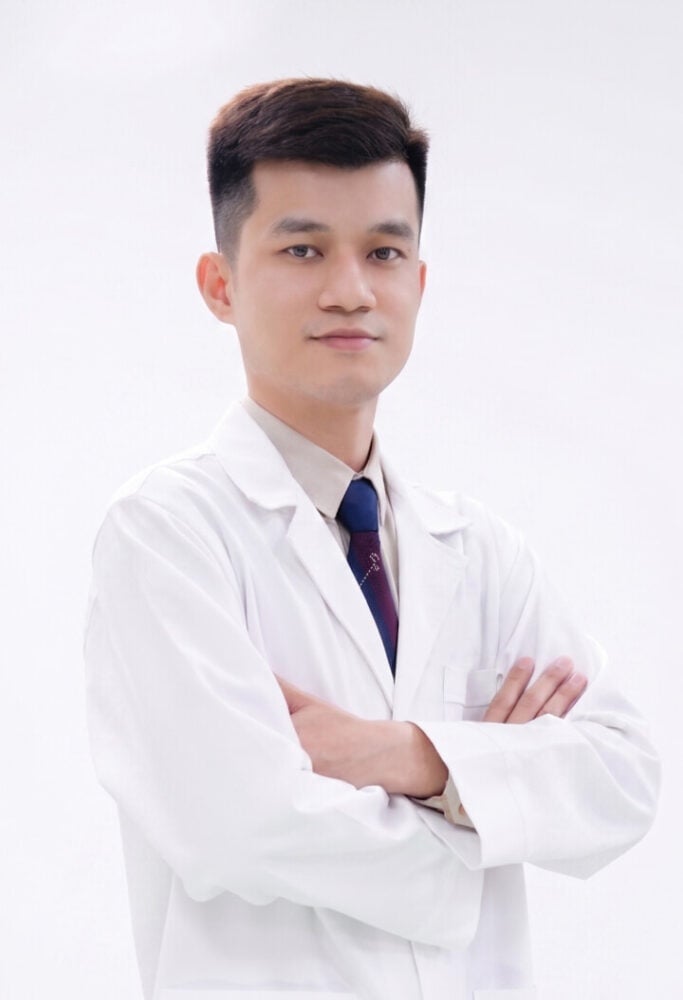
Doctor (MD) Nguyen Trung Duc
Dr. Nguyen Trung Duc has exceptional expertise in the treatment of musculoskeletal and neurological disorders (herniated disc, osteoarthritis, facial nerve palsy, post-stroke sequelae, Parkinson disease), rehabilitation following trauma and surgery (joint replacement, ligament repair, spinal surgery), as well as specific pediatric conditions such as pes planus and scoliosis.
Position: Physician, Department of Traditional Medicine & Rehabilitation, Huu Nghi Lac Viet Hospital
Languages: Vietnamese, English
Duong Nguyen Tat Thanh, Vinh Yen Ward, Phu Tho, Phu Tho
Mon - Sun: 07:15-11:45, 13:15-16:45
About Doctor (MD) Nguyen Trung Duc
Dr. Nguyen Trung Duc is a specialist in Traditional Medicine and Rehabilitation with 9 years of clinical experience. After graduating as a Doctor of Traditional Medicine from the Vietnam University of Traditional Medicine in 2017 and completing advanced training programs in Rehabilitation at Hanoi Medical University, Dr. Nguyen Trung Duc possesses a profound professional foundation and seamlessly integrates the essence of traditional medicine with conventional medicine.
The physician has exceptional strengths in treating musculoskeletal and neurological disorders (herniated disc, osteoarthritis, facial nerve palsy, post-stroke sequelae, Parkinson disease), rehabilitation following trauma and surgery (joint replacement, ligament repair, spinal surgery), and specific pediatric conditions such as pes planus and scoliosis. With a focus on comprehensive, sustainable, safe, and minimally invasive treatment, the physician strives to help patients not only achieve long-term motor recovery but also improve their quality of life. Currently, Dr. Nguyen Trung Duc works at the Department of Traditional Medicine & Rehabilitation – Huu Nghi Lac Viet Hospital.
Conditions examined and treated by Dr. Nguyen Trung Duc
Dr. Nguyen Trung Duc directly examines, diagnoses, and treats various specialized groups of conditions:
- Examination, diagnosis, and establishment of treatment regimens for herniated disc, osteoarthritis, facial nerve palsy, post-stroke sequelae, Parkinson disease, chronic headache, and insomnia.
- Implementation of intensive rehabilitation therapies for patients after joint replacement, ligament surgery (ACL, PCL), meniscus surgery, thoracic cage surgery, and spinal surgery.
- Screening, assessment, and treatment of motor malformations in children, such as pes planus, scoliosis, and sternocleidomastoid muscle fibrosis.
- Examination and application of traditional medicine and rehabilitation methods to treat plugged milk ducts in postpartum women and neuromuscular bladder dysfunction following abdominal cavity surgery.
Guide to booking appointments and the examination process with Dr. Nguyen Trung Duc
- Step 1: Make an appointment via Bcare by calling the hotline or filling out the booking information on the system to obtain priority status, helping to reduce waiting time and proactively manage examination schedules.
- Step 2: Arrive at the reception desk of Huu Nghi Lac Viet Hospital, verify the booked appointment details so that healthcare professionals can guide you through the procedures and admit you to the clinic within the Department of Traditional Medicine & Rehabilitation.
- Step 3: Enter the clinic to meet Dr. Nguyen Trung Duc for a clinical examination, range of motion assessment, evaluation of musculoskeletal and neurological status, and detailed review of past medical history.
- Step 4: Undergo specialized paraclinical orders such as radiography, magnetic resonance imaging (MRI), musculoskeletal ultrasound, or other supporting tests as advised by the physician.
- Step 5: Return to the clinic for the physician to interpret results, conclude the injury status, and advise on a combination therapy regimen involving traditional medicine, acupuncture, massage, acupressure, or appropriate rehabilitation exercises.
Notes before the visit
- Bring your complete patient health booklet, current prescriptions, and any previous X-ray, CT, MRI films, or laboratory results if available.
- Wear loose, comfortable, stretchable clothing to facilitate the physician's assessment of range of motion or performance of examination procedures.
- Record detailed notes on pain locations, symptom onset times, or daily limitations in movement to discuss with the physician.
- Notify the physician if you are pregnant, have a history of cardiovascular disease or hypertension, or are currently taking anticoagulants.
- Arrive 10 to 15 minutes before the scheduled time to complete confirmation procedures at the reception desk.
Frequently Asked Questions
What are the advantages of combining Traditional Medicine and Rehabilitation in the treatment of herniated disc and osteoarthritis?
The combination of Traditional Medicine and Rehabilitation provides comprehensive effects, offering both safe pain relief and restoration of motor structure for the patient. Traditional Medicine utilizes therapies such as acupuncture and massage/acupressure to promote circulation, reduce inflammation, alleviate muscle spasms, and provide immediate pain relief with minimal adverse effects. Meanwhile, modern rehabilitation exercises focus on strengthening the back and abdominal muscle mass and improving spinal flexibility, which helps reduce pressure on the intervertebral disc and prevent recurrent disease sustainably.
When is the optimal time to begin rehabilitation exercises after ligament surgery or joint replacement?
The rehabilitation process should begin very early, during the first few days after surgery, strictly according to the indications and guidance of the specialist physician. Early intervention helps prevent the risk of muscle atrophy, ankylosis, reduces swelling and pain, and supports better blood circulation at the surgical site. Depending on the type of ligament or joint replacement surgery, the physician will design a progressive exercise program ranging from passive exercises in bed to active range of motion activities to help the patient regain maximal motor function soon.
How important is screening and treatment for pes planus or scoliosis in children?
Early detection of pes planus or scoliosis in children allows the physician to intervene promptly while the child's bones and joints are still developing and highly elastic. Early treatment using rehabilitation methods, corrective exercises, or medical orthotics helps adjust the foot arch and spinal axis back to the correct position. If delayed, these malformations can cause serious bone deformity, leading to pelvic deviation, affecting gait, and causing prolonged pain when the child matures.
Professional strengths
Workplace
- •Department of Traditional Medicine & Rehabilitation, Huu Nghi Lac Viet Hospital
Education & training
- •2025 – 2026: Studied Rehabilitation at Hanoi Medical University.
- •2022 – 2023: Studied Rehabilitation at Hanoi Medical University.
- •2011 – 2017: Graduated as a Doctor of Traditional Medicine from the Vietnam University of Traditional Medicine.