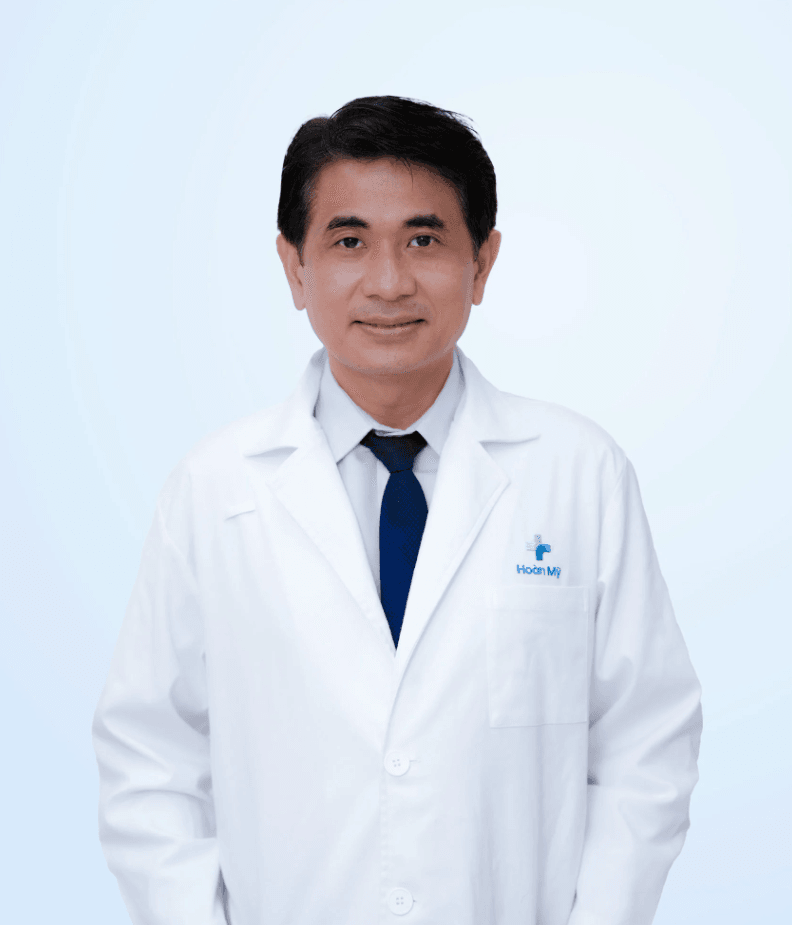
Specialist Level I Doctor Nguyen Truong Thang
Dr. Nguyen Truong Thang, MD, Specialist Level I, has more than 15 years of experience in examining and treating dermatological diseases.
Position: Dermatologist, Hoan My Cuu Long Hospital
Languages: Vietnamese, English
Lo 20, Duong Vo Nguyen Giap, Hung Phu Ward, Can Tho, Can Tho
Mon - Sat: 06:00-17:00
Sun: 06:00-11:20
About Specialist Level I Doctor Nguyen Truong Thang
Dr. Nguyen Truong Thang, MD, Specialist Level I, is an experienced physician in the field of Dermatology with 15 years of practical medical work. Currently, Dr. Nguyen Truong Thang, MD, Specialist Level I, serves as a Dermatologist within the LCK – ĐTTN department at Hoan My Cuu Long General Hospital. With a solid professional foundation upon graduating with a Specialist Level I degree in Dermatology from the University of Medicine and Pharmacy at Ho Chi Minh City, the doctor has successfully treated many cases of skin pathology and dermatologic aesthetics, bringing confidence and holistic health to patients.
Diseases examined and treated by the doctor
With more than 15 years of in-depth experience in Dermatology, Dr. Nguyen Truong Thang, MD, Specialist Level I, specializes in receiving patients for examination, diagnosis, and effective treatment of the following groups of diseases:
- Common bacterial and viral skin infections such as furuncles, pyoderma, impetigo, herpes zoster, varicella, and warts.
- Allergic and clinical immunology skin diseases such as atopic dermatitis, eczema, chronic urticaria, contact dermatitis, psoriasis, and pompholyx.
- Various forms of acne ranging from mild to severe, including nodular acne, pustules, inflammatory acne, open comedones, and scarring or hyperpigmentation left by acne.
- Skin diseases caused by parasites and fungi such as tinea, tinea versicolor, onychomycosis, tinea capitis, and scabies.
- Counseling and treatment for issues related to hyperpigmentation, melasma, freckles, hair loss, and sexually transmitted diseases with cutaneous manifestations.
Guide to making appointments and the examination process with Dr. Nguyen Truong Thang, MD, Specialist Level I
To ensure a smooth examination process without long waits, patients are requested to refer to the following steps:
- Step 1: Make an appointment via Bcare by calling the hotline or filling out the appointment information on the system to obtain a priority number, thereby saving waiting time at the hospital.
- Step 2: Arrive at the hospital reception desk to verify the scheduled appointment, receive guidance on obtaining a patient health booklet, and proceed to the doctor's clinic.
- Step 3: Enter the clinic to meet the doctor for a clinical examination, dermoscopy, or detailed inspection of superficial lesions, and discuss your current health status.
- Step 4: Move to the paraclinical area to perform indicated tests such as blood tests, skin scraping for fungal culture, or allergy testing as required by the doctor (if applicable).
- Step 5: Return to the initial clinic for the doctor to review results, provide a definitive diagnosis of the dermatological condition, prescribe medication, or advise on an appropriate intensive treatment regimen.
Notes before the examination
- Do not apply moisturizing creams, ointments, makeup, or specialized products to affected skin areas before the examination so that the doctor can accurately observe and assess the skin surface.
- Bring all relevant records, prescriptions, skincare products, or topical medications currently used at home so the doctor can check ingredients and identify potential irritants if any.
- For cases involving skin lesions in the genital area or sensitive regions, patients should wear loose, comfortable clothing to facilitate the clinical examination process.
Frequently Asked Questions
How can early signs of chronic atopic dermatitis be recognized?
Patients may identify the disease through characteristic symptoms such as dry, rough, peeling skin, the appearance of erythematous papules accompanied by intense pruritus, especially at night or when the weather changes.
Can eczema be cured completely, and how is it diagnosed?
Eczema is currently primarily managed with anti-inflammatory topical medications, intensive emollients, and avoidance of allergens; the doctor will indicate appropriate paraclinical techniques to identify the root cause.
How is severe acne with inflammation and structural damage treated?
The doctor will conduct a clinical examination and assess the severity of the damage to develop a combined regimen of oral medications for sebum control, antibacterial topical medications, and advice on a medical care routine suitable for each skin type.
When should a patient undergo a skin scraping test for fungus at a dermatology clinic?
This test is indicated when the patient's skin presents round or oval erythematous plaques with well-defined borders and significant itching, raising suspicion of fungal infections such as tinea, tinea versicolor, or onychomycosis.
Professional strengths
Workplace
- •Hoan My Cuu Long Hospital
Experience
- •– 06/2011 – 05/2012: Trung Vuong Emergency Hospital
- •– Working at Hoan My from 2012 to present
Education & training
- •Graduated from the University of Medicine and Pharmacy at Ho Chi Minh City in 2002
- •Graduated with a Specialist Level I degree from the University of Medicine and Pharmacy at Ho Chi Minh City in 2010