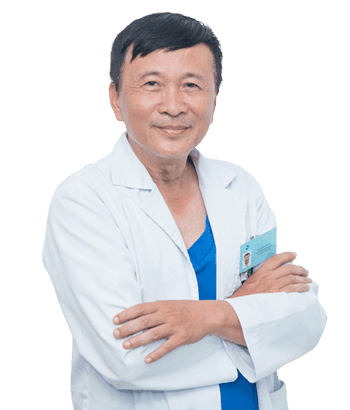
Specialist Level I Doctor Nguyen Van Nho
Dr. Nguyen Van Nho, MD, Specialist Level I, has more than 30 years of in-depth experience in Pediatrics, having worked for many years at Saint Paul General Hospital and continuously updating modern treatment regimens from the Vietnam National Children's Hospital. The physician specializes in diagnosing and effectively treating respiratory diseases, pneumonia, acute otolaryngology infections, and establishing restorative nutrition regimens for young children.
Position: Pediatrician - Examination Area at Thu Cuc International General Clinic
Languages: Vietnamese, English
216 Tran Duy Hung, Cau Giay Ward, Hanoi, Hanoi
Mon - Sun: 07:00-12:00, 13:30-17:00
About Specialist Level I Doctor Nguyen Van Nho
Dr. Nguyen Van Nho, MD, Specialist Level I, is a pediatric expert with more than 30 years of intensive clinical experience in caring for the health of young children. Before joining the Thu Cuc TCI Healthcare System, Dr. Nho dedicated 30 years to Saint Paul General Hospital – one of the leading hospitals in the capital – holding key positions at the Vietnam-Korea Clinic and the Department of Pediatric Cardiology.
Concurrently with his professional work, the physician continuously updates modern medical knowledge through continuing education certificates from the Vietnam National Children's Hospital, the National Lung Hospital, and the Ho Chi Minh City Medical Association. With a love for young children and a gentle, attentive demeanor, the physician always brings peace of mind and trust to parents and comfort to children during every visit.
Abnormal symptoms requiring immediate pediatric consultation
To protect children's health and prevent dangerous complications, parents should proactively bring their children to see Dr. Nguyen Van Nho, MD, Specialist Level I, when noticing any of the following abnormal signs:
- Persistent cough, wheezing, dyspnea, tachypnea, chest retraction, thick rhinorrhea, or chest tightness.
- High fever that is difficult to lower with common medications, fever accompanied by erythema, painful ear swelling, ear discharge, or signs suggestive of upper and lower respiratory tract infection.
- Frequent diarrhea, continuous regurgitation, abdominal distention, prolonged loss of appetite, failure to thrive, or signs of malnutrition, fatigue, and lassitude.
- Lethargy, deep sleep making the child difficult to awaken, incessant crying of unknown etiology, or seizures during high fever.
Appointment booking guide and examination procedure with Dr. Nguyen Van Nho, MD, Specialist Level I
- Step 1: Book an appointment via the Bcare system (call the hotline or register online) to proactively select a time slot suitable for the child's schedule, receive priority numbering, and minimize waiting time at the clinic.
- Step 2: Bring the child according to the scheduled appointment. Reception staff will assist with verifying information, completing administrative procedures, and guiding the family to Dr. Nho's pediatric examination room.
- Step 3: Enter the examination room to meet Dr. Nguyen Van Nho directly. The physician will engage in conversation to put the child at ease, gather symptom history from the parents, and perform a gentle clinical examination.
- Step 4: Perform paraclinical tests as indicated by the physician's professional requirements, such as blood tests, ENT endoscopy, ultrasound, or chest X-ray, to support accurate diagnosis.
- Step 5: Return to the initial examination room so the physician can review paraclinical results, conclude the diagnosis, prescribe appropriate medication, and provide detailed instructions on home care and monitoring of the child's health.
Notes before bringing the child for an examination:
- Parents should remember or specifically record the history of fever, frequency of cough, characteristics of stool, or other abnormal manifestations of the child to provide complete information to the physician.
- Please bring the vaccination booklet, patient health booklet, and recent prescriptions or laboratory results/ultrasound reports of the child (if available).
- Dress the child in loose, comfortable clothing that is easy to unbutton to facilitate auscultation and clinical examination by the physician.
- Avoid feeding the child too much immediately before the appointment to prevent regurgitation during throat examination or ENT endoscopy.
Frequently Asked Questions
How to correctly use antibiotics when a child has an otolaryngology infection or pneumonia?
The use of antibiotics in children must strictly follow the indications of a specialist physician. Antibiotics should only be used when there is evidence or high suspicion of bacterial infection; do not self-medicate for common colds, influenza, or viral respiratory tract inflammation. When antibiotic therapy is prescribed, parents must ensure the child takes the correct dose, at the correct intervals, and for the full duration specified. Do not stop the medication midway even if symptoms have remitted, to avoid the risk of drug-resistant bacteria.
Is community-acquired pneumonia in children dangerous, and how can it be prevented?
Community-acquired pneumonia is one of the common causes of death and hospital admission in young children if not detected and treated promptly. For effective disease prevention, parents should ensure children are fully vaccinated (with vaccines such as pneumococcal, influenza, pertussis, and measles), keep the child's throat and chest warm during cold weather changes, maintain balanced nutrition to enhance immunity, and keep living spaces clean, well-ventilated, and free of tobacco smoke.
What role does nutrition play in the course of treatment for lung diseases in children?
When children suffer from lung diseases (such as pneumonia, bronchial asthma, or bronchiolitis), the body often experiences fatigue and high energy expenditure, leading to anorexia and weight loss. An appropriate therapeutic nutrition regimen, rich in energy, easily digestible, and supplemented with adequate vitamins and minerals, helps enhance immunity and supports the regeneration of damaged airway mucosa. Parents should divide meals into smaller portions, prioritize warm, liquid congee and soups, and ensure the child drinks enough water to help thin mucus and support faster recovery.
Professional strengths
Workplace
- •Examination Area at Thu Cuc International General Clinic.
Experience
- •1987 – 1995: Pediatric Specialist Physician – Saint Paul General Hospital
- •1995 – 2017: Physician at the Vietnam-Korea Clinic – Saint Paul General Hospital
- •2017 – 2019: Pediatric Specialist Physician – Department of Pediatric Cardiology – Saint Paul General Hospital
- •March 2019 – Present: Pediatrician – Examination Area at Thu Cuc International General Clinic.
Education & training
- •1987: Graduated as a General Practitioner – Hanoi Medical University
- •1997: Completed Specialist Level I in Pediatrics – Hanoi Medical University