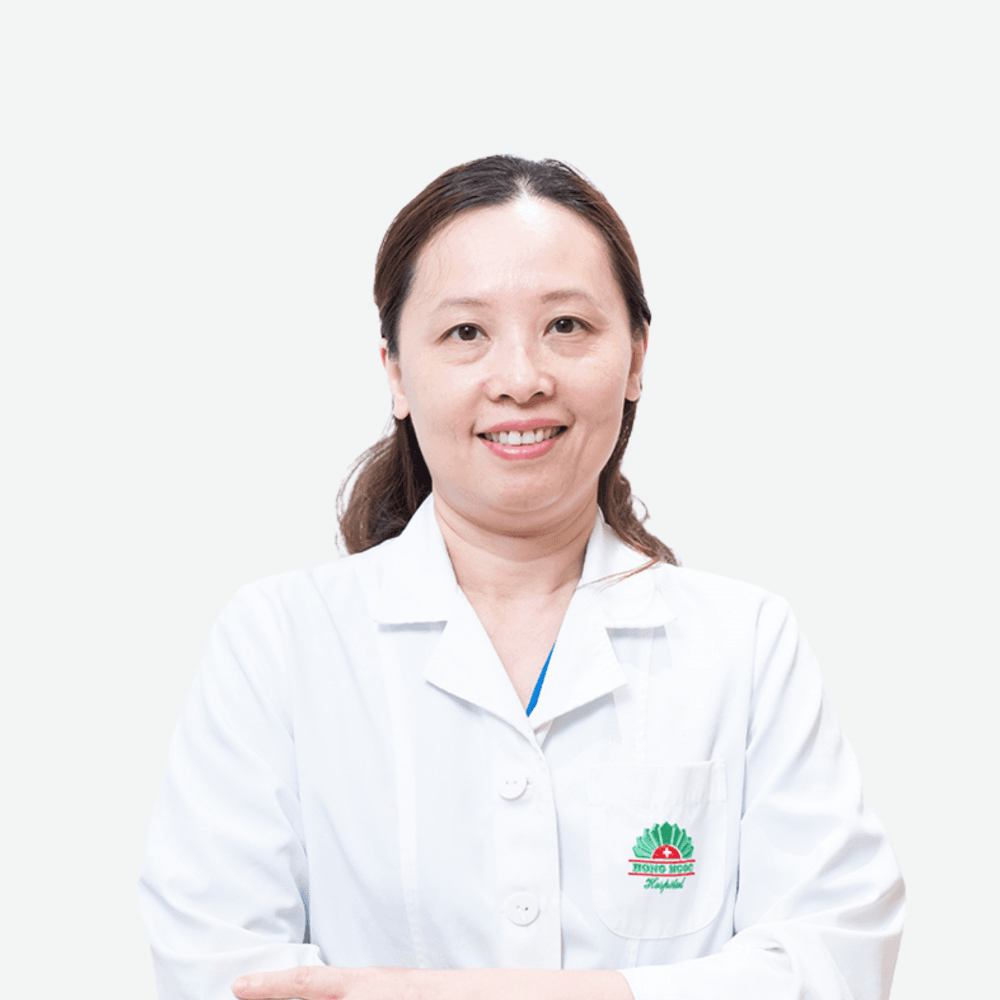
Specialist Level II Doctor Pham Thi Nhu Hoa
Dr. Pham Thi Nhu Hoa is a pediatric specialist with exceptional expertise in the diagnosis and treatment of infectious and tropical diseases in children, as well as specialized proficiency in managing endocrine disorders, inborn errors of metabolism, and acute management of complex pediatric internal medicine emergencies.
Position: Head of the Pediatric Infectious Disease Department - Phuc Truong Minh Campus
Languages: Vietnamese, English
So 8 duong Chau Van Liem, Tu Liem Ward, Hanoi, Hanoi
Mon - Sun: 07:30-12:00, 13:30-17:00
About Specialist Level II Doctor Pham Thi Nhu Hoa
Dr. Pham Thi Nhu Hoa is a highly qualified and experienced professional with nearly 20 years of continuous clinical practice in pediatrics. She graduated from the General Medicine program at Thai Binh Medical University (2002), completed the Specialist Level I program in Pediatrics (2010), and subsequently completed the Specialist Level I program in Pediatric Endocrinology and Metabolism (2019) at Hanoi Medical University before attaining the advanced degree of MD, Specialist Level II.
Her clinical career is evidenced by 15 years of dedicated service at Thanh Nhan Hospital (2009–2024), along with ongoing updates to her certifications in emergency techniques, pediatric mechanical ventilation, and treatment of common pediatric internal medicine conditions. With strong professional competence, she currently serves as Head of the Pediatric Infectious Disease Department at Hong Ngoc Phuc Truong Minh General Hospital.
Quality of Care Provided by Dr. Pham Thi Nhu Hoa
As a comprehensive expert in infectious diseases, endocrinology-metabolism, and pediatric emergencies, Dr. Pham Thi Nhu Hoa delivers optimal quality of care for pediatric patients through the following strengths:
- Specialized Treatment of Infectious and Tropical Diseases: Accurate examination, diagnosis, and effective management of acute infectious diseases in children such as dengue fever, hand-foot-and-mouth disease, measles, mumps, varicella, influenza, and infections or fevers of unknown origin.
- Management of Pediatric Endocrine and Metabolic Disorders: Examination, early detection, and treatment of endocrine disorders and congenital or acquired metabolic disorders in young children, helping ensure balanced physical development.
- Acute Management of Complex Pediatric Internal Medicine Emergencies: Mastery of emergency techniques and pediatric mechanical ventilation, providing timely management of severe cases, respiratory failure, febrile seizures, acute poisoning, or severe complications of infectious diseases.
- Comprehensive Examination and Treatment of Pediatric Internal Medicine Conditions: Application of the latest updated knowledge to safely treat common otolaryngologic, respiratory, and gastrointestinal conditions in children, minimizing antibiotic overuse.
Appointment Booking Guide and Examination Process with Dr. Pham Thi Nhu Hoa
- Step 1: Book an appointment via Bcare by calling the hotline or filling out the booking form on the system to obtain a priority number and proactively select a time slot suitable for the family's schedule.
- Step 2: Arrive to verify the booked appointment at the reception desk of the Pediatric Infectious Disease Department at the Phuc Truong Minh campus so that staff can quickly complete the file opening procedures.
- Step 3: Proceed to the clinic room where Dr. Pham Thi Nhu Hoa, MD, Specialist Level II, will perform a direct clinical examination, check vital signs, assess skin or mucosal lesions (if present), and thoroughly inquire about the child's symptoms.
- Step 4: Undergo paraclinical tests as ordered by the physician, such as blood tests (complete blood count, CRP), rapid tests to identify viral/bacterial etiologies (influenza, dengue fever, hand-foot-and-mouth disease), or chest X-rays when necessary.
- Step 5: Return to the original clinic room to hear the doctor review results, conclude the pathologic diagnosis, advise on a specific medical treatment regimen, or provide instructions for hospital admission for monitoring if required.
Notes Before the Visit
- Families should prepare and bring the patient health booklet, current prescriptions, or previous test records from other healthcare facilities to allow the doctor to monitor disease progression.
- For children showing signs of highly contagious infectious diseases (such as measles, varicella, or hand-foot-and-mouth disease), parents should have the child wear a mask and immediately notify healthcare professionals to be guided to the appropriate isolation examination area.
- Parents should note key timelines regarding when the child started having a fever, the nature of the fever episodes, and any rash or regurgitation at home to provide accurate information to the doctor.
- Dress the child in loose, comfortable clothing with button-up shirts to facilitate easy examination of the entire body surface, cardiac and pulmonary auscultation, and abdominal palpation.
- Families should arrive at the hospital 10 to 15 minutes before the scheduled appointment time to complete initial reception steps at the nurse station.
Frequently Asked Questions
Which days are most dangerous for dengue fever in children, and what warning signs should parents monitor at home?
Dengue fever in children is usually most dangerous during the critical phase, occurring between day 3 and day 7 of the illness. At this time, the child may have reduced fever but is prone to plasma extravasation leading to shock. Parents must closely monitor and take the child to the hospital immediately if warning signs appear, such as lethargy, extreme fatigue or restlessness, right upper quadrant abdominal pain, hyperemesis, epistaxis, gum bleeding, or melena.
How can endocrine and metabolic disorders in children affect their development?
Endocrine and metabolic disorders (such as congenital hypothyroidism, congenital adrenal hyperplasia, precocious puberty, or childhood diabetes mellitus) can severely impact physical and intellectual development if not detected and treated early. These conditions can cause congenital dwarfism, intellectual disability, life-threatening electrolyte imbalances, or significant psychological and height impacts upon maturity due to precocious puberty.
When can a child with hand-foot-and-mouth disease be treated at home, and when is hospital admission mandatory?
Children with Grade 1 hand-foot-and-mouth disease (characterized only by oral ulcers and/or rash on the palms, soles, buttocks, and knees, with low-grade fever under 38.5°C that is controlled) can be treated and monitored at home according to doctor's instructions. However, hospital admission is mandatory when the condition progresses to Grade 2 with onset of neurologic or cardiovascular signs, such as persistent high fever above 39°C difficult to lower, startle reflexes (especially at sleep onset), lethargy, inconsolable crying, limb tremor, or titubation.
Professional strengths
Workplace
- •Hong Ngoc Phuc Truong Minh General Hospital
Experience
- •From Oct 2009 to Apr 2024: Physician at Thanh Nhan Hospital
- •From Jun 2024 to present: Physician at Hong Ngoc Phuc Truong Minh General Hospital
Education & training
- •2002: Graduated as General Practitioner - Thai Binh Medical University
- •2010: Graduated MD, Specialist Level I in Pediatrics - Hanoi Medical University
- •2014: Certificate in Emergency Techniques and Pediatric Mechanical Ventilation
- •2019: Graduated MD, Specialist Level I in Pediatric Endocrinology and Metabolism - Hanoi Medical University
- •2024: Certificate in Updated Diagnosis and Treatment of Common Pediatric Internal Medicine Conditions, Trauma Emergency, and Obstetrics and Gynecology Emergency