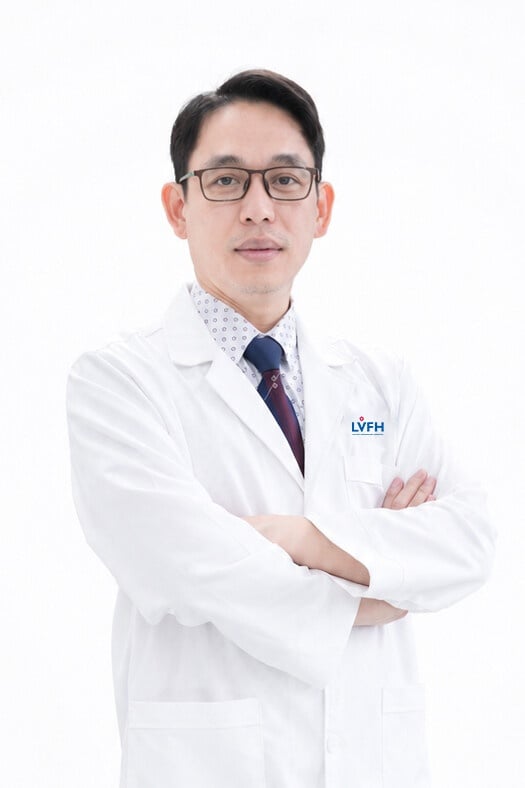
MSc, MD Phan Hong Sang
MD, MSc Phan Hong Sang is a reputable expert in the field of Pediatrics with 14 years of experience in diagnosing and managing complex diseases in children and infants. Adhering to the medical philosophy "Each baby is an individual growing up," the physician places particular emphasis on the appropriate use of antibiotics according to indications, prioritizes individualized treatment regimens, and highlights the role of nutrition in preventing disease recurrence.
Position: Head of Department, Pediatric and Neonatal Emergency, Huu Nghi Lac Viet Hospital
Languages: Vietnamese, English
Duong Nguyen Tat Thanh, Vinh Yen Ward, Phu Tho, Phu Tho
Mon - Sun: 07:15-11:45, 13:15-16:45
About MSc, MD Phan Hong Sang
MD, MSc Phan Hong Sang is a reputable expert in the fields of Pediatrics and Intensive Care with 14 years of experience in diagnosing and managing complex diseases in children and infants. Dr. Phan Hong Sang continuously enhances his professional expertise through intensive training courses on pediatric echocardiography at Vietnam National Children's Hospital, pediatric hemofiltration techniques at Children's Hospital 1, and advanced nutrition at the National Institute of Nutrition.
Adhering to the medical philosophy "Each baby is an individual growing up," the physician places particular emphasis on the appropriate use of antibiotics according to indications, prioritizes individualized treatment regimens, and highlights the role of nutrition in preventing disease recurrence. His dedication and keen emergency response capabilities have brought miraculous recovery to many critically ill pediatric patients, earning him numerous certificates of merit from the Director of the Department of Health and the Hospital. Currently, MD, MSc Phan Hong Sang serves as the Head of the Pediatric and Neonatal Emergency Department at Huu Nghi Lac Viet Hospital.
Conditions Diagnosed and Treated by MD, MSc Phan Hong Sang
With 14 years of extensive experience and comprehensive emergency management capabilities, MD, MSc Phan Hong Sang directly examines, consults, and treats various groups of pediatric and neonatal resuscitation conditions:
- Examination, treatment, and special care for preterm infants, infants with severe respiratory failure, and critical neonatal emergencies.
- Diagnosis, intervention, and management of pediatric emergencies, cardiovascular diseases, respiratory diseases, and performance of hemofiltration techniques in children.
- Establishing monitoring and intensive treatment regimens for children with hemangiomas and long-term management of bronchial asthma in children.
- Examination, assessment of physical status, and consultation on optimal nutrition regimens according to each developmental stage to enhance resistance and prevent disease recurrence in children.
Guide to Booking Appointments and Examination Procedures with MD, MSc Phan Hong Sang
- Step 1: Make an appointment via Bcare by calling the hotline or filling out appointment information on the system to obtain a priority number, helping to reduce waiting time and proactively manage examination time.
- Step 2: Arrive at the reception desk of Huu Nghi Lac Viet Hospital, verify the booked appointment information so that healthcare professionals can guide you through completing procedures and admit you to the clinic within the Pediatric and Neonatal Emergency Department.
- Step 3: Enter the examination room to meet MD, MSc Phan Hong Sang for clinical examination, physical status assessment, listening for abnormal signs, and detailed collection of the child's past medical history.
- Step 4: Perform specialized paraclinical orders such as echocardiography, blood tests, radiography, or nutritional index assessments according to the physician's professional advice.
- Step 5: Return to the examination room for the physician to interpret results, conclude the child's health status, and advise on the treatment regimen, provide guidance on safe medication use, or establish an appropriate nutrition regimen.
Notes Before the Visit
- Bring complete health record books, vaccination records, current prescriptions, and any previous laboratory results and ultrasound reports of the child if available.
- Prepare information regarding drug allergy history, the type of milk the child is using, and daily eating habits to discuss with the physician.
- Record details of the child's abnormal symptoms, such as the timing of fever, frequency of cough, manifestations of dyspnea, or signs of irritability.
- Keep the child in a comfortable mental state, dressed in loose, easy-to-remove clothing to facilitate the physician's clinical examination process.
- Arrive 10 to 15 minutes before the scheduled appointment time to complete confirmation procedures at the reception desk.
Frequently Asked Questions
When should a child with bronchial asthma be taken for examination and long-term prophylactic treatment?
The child should be seen by a specialist immediately upon showing signs such as persistent cough (especially at night or during activity), recurrent wheezing, tachypnea, or chest tightness. The physician will assess the level of asthma control and establish an appropriate prophylactic treatment regimen to help reduce the occurrence frequency of acute asthma attacks. Proper management of bronchial asthma combined with habitat control helps the child develop physically normally and minimizes the risk of emergency hospital admission.
How important is the appropriate use of antibiotics in children?
Using antibiotics according to indications helps precisely eliminate pathogenic bacteria without harming the beneficial microbiota in the child's body. Arbitrary use of antibiotics when the child only has viral illnesses (such as common influenza-like illness) has no therapeutic effect and increases the risk of drug resistance, causing allergies and intestinal dysbiosis. The physician will conduct a thorough examination to accurately determine the disease etiology before deciding whether antibiotic use is necessary.
What role does nutrition play in preventing the recurrence of diseases in children?
Adequate and balanced nutrition provides essential micronutrients that help strengthen natural immunity, creating host defense barriers against pathogens from the environment. A diet precisely designed for each individual also helps the child quickly recover respiratory and digestive mucosa after illness and improve overall physical status. Consequently, the child's body gains the ability to fight off dangerous pathogens, significantly reducing the recurrence rate of infectious respiratory and gastrointestinal diseases.
Professional strengths
Workplace
- •Huu Nghi Lac Viet Hospital
Awards & recognition
- •Received multiple Certificates of Merit from the Director of the Department of Health and the Hospital for outstanding contributions.
Education & training
- •2026: Training in Advanced Nutrition at the National Institute of Nutrition.
- •2023: Training in Pediatric Hemofiltration Techniques at Children's Hospital 1 (Ho Chi Minh City).
- •2016 – 2018: Graduated with a Master's degree in Pediatrics from Hanoi Medical University.
- •2017: Training in Pediatric Echocardiography at Vietnam National Children's Hospital.
- •2015: Physician orientation in Pediatrics at Vietnam National Children's Hospital.
- •2006 – 2012: Graduated as a General Practitioner from Hai Phong Medical University.