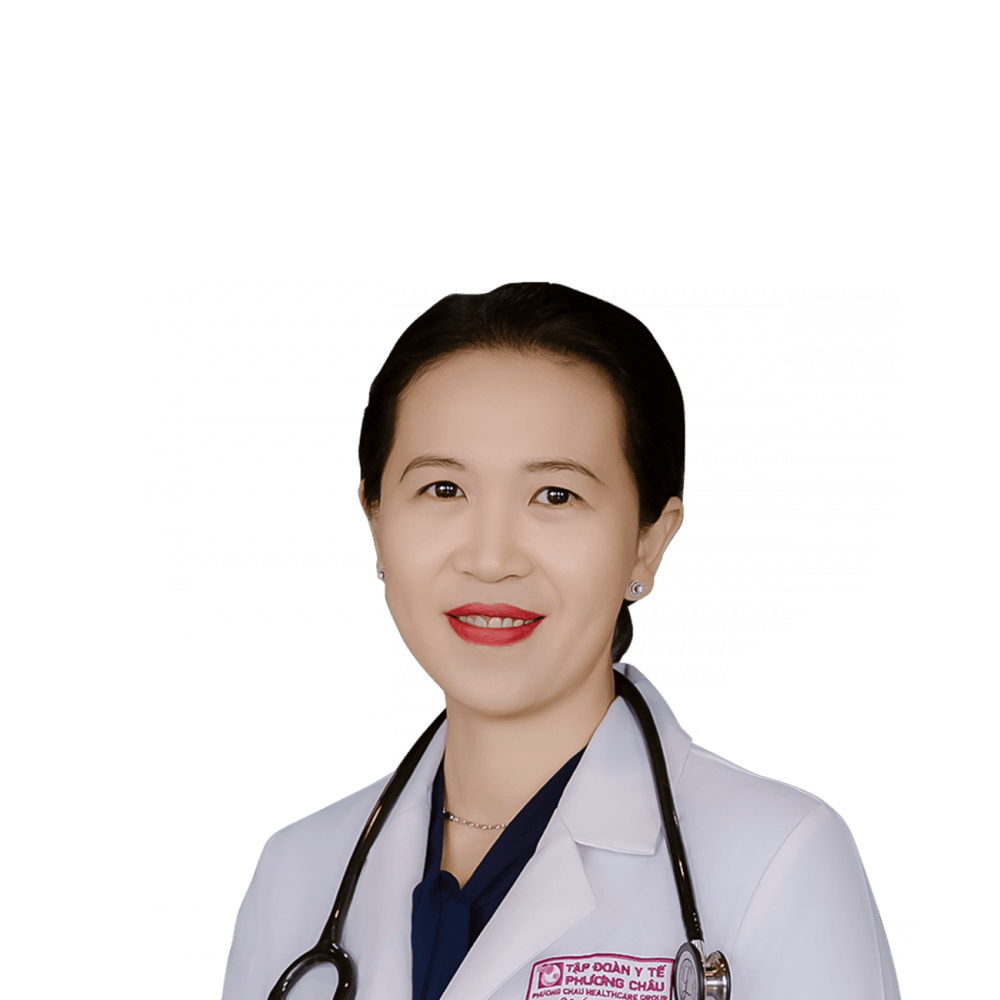
PhD, MD Tran Thi Truc Linh
MD, PhD Tran Thi Truc Linh - Chief Executive Officer of Phuong Chau International Hospital, is a specialist with over 22 years of experience in Internal Medicine.
Position: Chief Executive Officer of Phuong Chau International Hospital
Languages: Vietnamese, English
So 300 Nguyen Van Cu noi dai, Tan An Ward, Can Tho, Can Tho
Mon - Sun: 07:00-11:30, 13:00-16:30
About PhD, MD Tran Thi Truc Linh
MD, PhD Tran Thi Truc Linh is a specialist with more than 22 years of extensive experience in Internal Medicine and Endocrinology. She graduated as a General Practitioner from Can Tho University in 2002, received her Master of Medicine degree from the University of Medicine and Pharmacy at Ho Chi Minh City in 2009, and completed her PhD in Endocrinology at Hue University of Medicine and Pharmacy – Hue University in 2016.
In addition, she has undergone advanced training in electrocardiography and treatment of cardiac arrhythmia at Pham Ngoc Thach University of Medicine and holds a certificate for pedagogical professional development. From March 2023 to the present, she has served as the Chief Executive Officer of Phuong Chau International Hospital while concurrently participating directly in clinical examinations and specialty treatments.
What conditions does Dr. Tran Thi Truc Linh treat?
- Endocrine and metabolic disorders typically include diabetes mellitus, blood glucose abnormalities, and intracorporeal metabolic disturbances.
- Thyroid gland diseases, hormone imbalances, and other specialized endocrine issues.
- Screening, monitoring, and treating medical cardiovascular diseases; performing ECG interpretation to detect and manage cardiac arrhythmia.
- General examination, diagnosis, and treatment of common internal medicine conditions for patients.
Guide to booking appointments and the examination process with Dr. Tran Thi Truc Linh
- Step 1: Make an appointment via Bcare by calling the hotline or filling out the booking information on the system to obtain a priority number, allowing you to proactively manage your time and avoid long waiting periods upon arrival at the hospital.
- Step 2: Arrive at the hospital reception desk to verify the scheduled appointment so that healthcare professionals can check your information, guide you in completing the initial administrative medical record, and issue a clinic entry slip.
- Step 3: Enter the clinic to meet the physician for a direct clinical examination, discuss current uncomfortable symptoms, provide past medical history, and review any prescriptions currently being used.
- Step 4: Proceed to functional rooms to undergo necessary paraclinical tests such as electrocardiogram (ECG), thyroid ultrasound, or specialized blood tests depending on the patient's status.
- Step 5: Return to the original clinic for the physician to interpret the paraclinical results, analyze specific injury statuses, establish the final diagnosis, and prescribe medication or advise on appropriate interventions.
Notes before the visit
- Patients should prepare and bring all laboratory results, previous medical records, and recent prescriptions to ensure the physician has accurate data for comparison.
- Due to the nature of screening for endocrine and metabolic disorders and conducting related blood tests, patients are advised to fast before breakfast prior to the visit to ensure paraclinical results are not biased.
- As the physician currently holds the position of Chief Executive Officer at Phuong Chau International Hospital, schedules may change due to meetings or management duties; therefore, patients should make an appointment before traveling.
Frequently Asked Questions
Why do patients with diabetes mellitus need periodic cardiovascular screening and examinations?
Diabetes mellitus is a chronic metabolic disorder that can cause insidious damage to the systemic vascular network. Prolonged hyperglycemia increases the risk of atherosclerosis, leading to dangerous complications such as coronary artery disease, cardiac arrhythmia, or stroke. Periodic cardiovascular screening using ECG helps in early detection of these abnormalities for timely intervention.
What signs indicate that a person is experiencing abnormal thyroid gland issues requiring immediate endocrine examination?
Patients should seek immediate care if they exhibit signs such as persistent fatigue, unexplained weight loss or abnormal weight gain, palpitations, tachycardia, or hand tremors. Additionally, manifestations such as swelling in the cervical region, dysphagia, dry skin, cold intolerance, or heat intolerance are typical warnings of thyroid gland disease.
What abnormalities does the electrocardiogram (ECG) technique help detect during a general internal medicine examination?
The electrocardiogram is a technique that records variations in electric current within the heart, helping physicians rapidly detect conditions such as cardiac arrhythmia, excessively rapid or slow heart rate. This device also strongly supports the early diagnosis of signs of myocardial ischemia, myocardial hypertrophy, or myocardial injury caused by complications of chronic medical conditions.
Professional strengths
Workplace
- •Phuong Chau International Hospital
Experience
- •Chief Executive Officer of Phuong Chau International Hospital, since 03/2023
- •Head of Planning and Integration Department – Attending Physician at Phuong Chau International Hospital, since 11/2019
- •Over 22 years of experience in Internal Medicine
Education & training
- •PhD in Endocrinology, Hue University of Medicine and Pharmacy – Hue University, 2016
- •Master of Medicine, University of Medicine and Pharmacy at Ho Chi Minh City, 2009
- •General Practitioner, Can Tho University, 2002
- •Pedagogical Professional Development Program for University and College Lecturers, Can Tho University, 03/2016 – 06/2016
- •Electrocardiography and Treatment of Cardiac Arrhythmia, Pham Ngoc Thach University of Medicine, 2008
- •Postgraduate Refresher Course in Electrocardiography, University of Medicine and Pharmacy at Ho Chi Minh City, 07/2005 – 09/2005