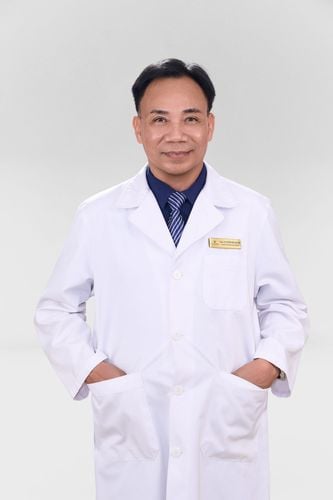
Assoc. Prof., PhD, MD Vu Duc Dinh
Associate Professor, MD, PhD Vu Duc Dinh specializes in the examination and treatment of critically ill patients in the Intensive Care Unit (ICU) and provides consultation, examination, and treatment for internal medicine conditions: hypertension, heart failure, chronic lung disease, diabetes mellitus, stroke, as well as other general internal medicine pathologies.
Position: Hospital Director and Head of Outpatient & Internal Medicine Department, Vinmec Phu Quoc General Hospital
Languages: Vietnamese, English
Khu Bai Dai, X. Ganh Dau, Dac khu Phu Quoc, An Giang, An Giang
Mon - Fri: 08:00-12:00, 13:00-17:00
Sat: 08:00-12:00
So 114 Duong Nguyen Trung Truc, Khu Pho 4, Dac khu Phu Quoc, An Giang, An Giang
Mon - Sat: 07:30-11:30, 13:00-17:00
About Assoc. Prof., PhD, MD Vu Duc Dinh
Associate Professor, MD, PhD Vu Duc Dinh is a leading expert and a Meritorious Physician with 30 years of extensive experience in Critical Care - Emergency Medicine and General Internal Medicine. He graduated with a Doctor of Medicine degree and a Master’s degree in Critical Care - Toxicology from Hanoi Medical University. In 2012, he was awarded a PhD in Medicine by the Vietnam Military Medical Academy, and in 2018, he was conferred the title of Associate Professor in Medicine.
Associate Professor, MD, PhD Vu Duc Dinh currently serves as the Hospital Director and Head of the Outpatient & Internal Medicine Department at Vinmec Phu Quoc General Hospital, providing a solid professional foundation for critically ill patients.
Examination and Treatment
Associate Professor, MD, PhD Vu Duc Dinh specializes in the examination and treatment of the following conditions:
- Critical and life-threatening patient conditions in the Intensive Care Unit (ICU), such as polytrauma, traumatic brain injury, various types of shock, myocardial infarction, and pulmonary disorders with severe respiratory failure.
- Performing advanced specialized critical care techniques, including hemofiltration, plasma exchange, and thrombolysis for acute cerebral embolism.
- Consultation, examination, and treatment of common chronic internal medicine conditions such as hypertension, heart failure, chronic lung disease, diabetes mellitus, and stroke.
- Comprehensive reception, management, and treatment of other general internal medicine pathologies.
Who Should Seek Examination
- Patients experiencing emergency conditions, serious trauma, or severe respiratory or circulatory failure requiring active resuscitation intervention and application of techniques such as hemofiltration and thrombolysis.
- Patients suffering from dangerous chronic internal medicine conditions such as cardiovascular disease, hypertension, diabetes mellitus, and chronic lung disease who require consultation on specialized treatment regimens and complication prevention to avoid stroke.
- Patients seeking comprehensive examination, consultation, and health management by an expert holding the title of Associate Professor with extensive clinical experience.
Appointment Registration Guide
The procedure to make an appointment with Associate Professor, MD, PhD Vu Duc Dinh is as follows:
- Step 1: Call Hotline: 0941298865 Or fill out all required information for the patient, including full name, gender, date of birth, phone number, address (province/city, district/county, ward/commune), and description of symptoms (if any).
- Step 2: Press the "Book Appointment" button. A medical secretary will promptly contact you to confirm and complete the registration process.
Examination Procedure
- Step 1: The patient arrives at the reception desk at the facility according to the scheduled appointment time so that staff can verify appointment details, assist in completing the internal medicine medical record, and issue a queue number for the clinic room.
- Step 2: The patient enters the clinic room for a direct clinical examination by the physician, who will check vital signs (blood pressure, heart rate), take a detailed history of discomforting symptoms, and review past medical history.
- Step 3: The patient undergoes necessary paraclinical tests as indicated, such as blood tests, blood glucose measurement, radiography, computed tomography, or echocardiography and vascular ultrasound, following instructions from healthcare professionals.
- Step 4: The physician receives and analyzes laboratory results, provides an accurate diagnostic conclusion regarding the internal medicine condition, advises on the treatment regimen, prescribes medication, and schedules specific follow-up visits.
Notes Before the Visit
- Patients visiting for chronic internal medicine conditions such as diabetes mellitus or cardiovascular disease should fast before breakfast and avoid consuming sugary drinks, milk, or fruit juice prior to the examination to ensure the accuracy of blood tests.
- Prepare and bring all previous medical records, imaging films, test results, and recent prescriptions used at home so that the physician has sufficient data for a comprehensive assessment of disease progression.
- For cases showing sudden emergency signs or stroke, family members must immediately transport the patient to the Intensive Care Unit (ICU) so that physicians can timely perform thrombolysis or hemofiltration within the "golden hour."
Frequently Asked Questions
What are the benefits of the thrombolysis technique for acute cerebral embolism performed by the physician, and are there any time considerations?
Thrombolysis helps dissolve blood clots causing occlusion, restoring blood flow to the brain to minimize paralysis sequelae; however, this technique must be performed within the "golden period" (typically within the first 4.5 hours from symptom onset of the stroke).
How should a patient with concurrent hypertension and diabetes mellitus be managed by the physician to prevent heart failure?
The physician will establish an individualized combined drug regimen to optimally control both blood pressure readings and blood glucose levels within safe thresholds, combined with periodic screening of cardiac and renal function, and guidance on a strict nutrition regimen to prevent complications of heart failure.
When should a patient with chronic lung disease show signs of progressing to severe respiratory failure requiring admission to the Intensive Care Unit?
When the patient exhibits manifestations such as severe dyspnea, rapid breathing, cyanosis of the lips and fingertips, use of accessory muscles for respiration, or lethargy, the patient must be taken to the emergency department immediately for advanced respiratory support and timely intervention.
Professional strengths
Workplace
- •Vinmec Phu Quoc General Hospital
- •Vinmec Duong Dong General Clinic (Phu Quoc)
Experience
- •1997 - 2007: E Hospital Hanoi - Physician in the Intensive Care Unit
- •2007 - 2010: E Hospital Hanoi - Deputy Head of the Intensive Care Unit
- •2010 - 2019: E Hospital Hanoi - Head of the Intensive Care Unit; Vietnam University of Traditional Medicine - Deputy Head of the Intensive Care - Emergency Department; Vietnam Military Medical Academy - Lecturer in the Gastroenterology Department.
- •2019 - 2020: Vinmec Times City International Hospital - Head of the Planning and Investment Department
- •2021: Vinmec Phu Quoc General Hospital - Medical Director
- •Current: Director of Vinmec Phu Quoc General Hospital
Awards & recognition
- •62 research topics completed, published in reputable specialized journals, and applied in practice.
Education & training
- •2018: Associate Professor in Medicine
- •2012: PhD in Medicine - Vietnam Military Medical Academy
- •2004: Master’s in Critical Care - Toxicology - Hanoi Medical University
- •1996: Doctor of Medicine - Hanoi Medical University