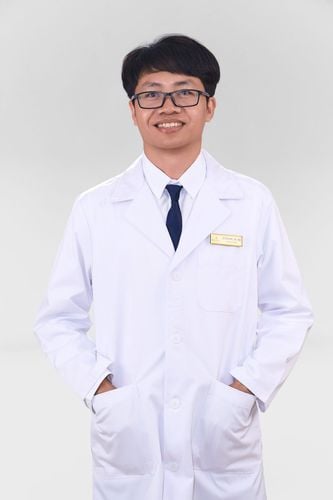
MSc, MD Vu Tan Phuc
MD, MSc Vu Tan Phuc specializes in the diagnosis and treatment of gastrointestinal, hepatobiliary, and pancreatic diseases; performs endoscopic procedures; and manages gastritis-duodenitis, gastroesophageal reflux disease, inflammatory bowel disease, viral hepatitis, cholangitis, liver abscess, pancreatitis, and cirrhosis.
Position: Physician, Department of Outpatient & Internal Medicine - Vinmec Phu Quoc International Hospital
Languages: Vietnamese, English
Khu Bai Dai, X. Ganh Dau, Dac khu Phu Quoc, An Giang, An Giang
Mon - Fri: 08:00-12:00, 13:00-17:00
Sat: 08:00-12:00
So 114 Duong Nguyen Trung Truc, Khu Pho 4, Dac khu Phu Quoc, An Giang, An Giang
Mon - Sat: 07:30-11:30, 13:00-17:00
About MSc, MD Vu Tan Phuc
MD, MSc Vu Tan Phuc is a reputable expert in Gastroenterology and Endoscopy with 16 years of extensive professional experience. After graduating as a General Practitioner in 2010, he completed his Master’s program in Internal Medicine at Can Tho University of Medicine and Pharmacy in 2015.
Currently, MD, MSc Vu Tan Phuc works at the Department of Outpatient & Internal Medicine - Vinmec Phu Quoc International Hospital, earning the trust of many patients due to his high level of expertise and precise endoscopic techniques.
Quality of medical care provided by the physician
The quality of medical care provided by MD, MSc Vu Tan Phuc is demonstrated by his clinical diagnostic capabilities and proficiency in performing modern endoscopic techniques for the following groups of diseases:
- Examination, diagnosis, and establishment of intensive treatment regimens for gastrointestinal tract disorders such as gastroenteritis, gastric ulcer, gastroesophageal reflux disease, ulcerative colitis, and irritable bowel syndrome.
- Effective treatment of complex hepatobiliary and pancreatic diseases, including acute and chronic viral hepatitis, acute pancreatitis, biliary tract infection, liver abscess, and cirrhosis.
- Performing diagnostic gastrointestinal endoscopy for early screening of lesions, polyps, or tumors in the gastrointestinal tract.
- Therapeutic endoscopy interventions for acute or chronic gastrointestinal complications in a safe, minimally invasive manner that maximizes patient comfort.
Guide to scheduling appointments and the examination process with MD, MSc Vu Tan Phuc
- Step 1: Patients schedule an appointment via Bcare by contacting the hotline or filling out information online on the system, including a description of their symptoms, to select a suitable time slot and receive confirmation of the appointment in advance.
- Step 2: Patients arrive to verify their scheduled appointment at the hospital or clinic reception desk, where healthcare professionals will guide them through completing initial gastroenterology medical records and issuing queue numbers.
- Step 3: Patients enter the examination room for a direct clinical examination by the physician, who performs abdominal palpation, thoroughly elicits symptoms (abdominal pain, acid reflux, gastrointestinal disturbance), and reviews past medical history and current prescriptions.
- Step 4: Patients proceed to undergo advanced paraclinical tests as directed by nurses, such as blood tests, abdominal ultrasonography, H. pylori testing, or preparation for entering the gastroscopy/colonoscopy room.
- Step 5: The physician reviews all imaging reports, laboratory results, and endoscopy findings, analyzes the extent of damage in detail to provide an accurate pathological conclusion, advises on the treatment regimen, prescribes medication, and schedules a follow-up visit.
Notes before the examination
- Patients who require or are indicated for gastroscopy or colonoscopy must fast completely for at least 6 to 8 hours prior to the procedure and avoid drinking colored liquids to allow the physician to clearly observe the mucosal surface.
- Prepare and bring all previous medical records, blood test results, endoscopy reports, or current home prescriptions so the physician has a basis to accurately assess disease progression and adjust the treatment regimen accordingly.
- Wear loose, comfortable clothing during the visit to facilitate clinical abdominal examination and ensure smooth changing of clothes for the endoscopic procedure.
Frequently Asked Questions
What are the notable advantages of the diagnostic and therapeutic gastrointestinal endoscopy techniques performed by the physician?
This technique uses modern flexible endoscopes, allowing the physician to perform direct visual observation of even the smallest lesions within the stomach and colon, thereby combining therapeutic procedures such as polypectomy or hemostasis during the endoscopy without the need for open surgery.
How should patients with chronic viral hepatitis or cirrhosis adhere to the physician's monitoring schedule?
Patients with chronic viral hepatitis or cirrhosis need to undergo specific pharmacotherapy according to prescribed dosages and attend scheduled follow-ups so the physician can perform tests to assess liver function and viral load, thereby effectively controlling the disease and preventing dangerous complications.
Professional strengths
Workplace
- •Vinmec Phu Quoc General Hospital
- •Vinmec Duong Dong General Clinic (Phu Quoc)
Experience
- •2010 - 2012: Department of Internal Medicine - Tay Do General Hospital
- •2012 - 2013: Mekong Can Tho General Clinic
- •2013 - 2015: Graduate Studies at Can Tho University of Medicine and Pharmacy
- •2015 - 6/2019: Gastroenterology Department - Hoan My Cuu Long Hospital
- •7/2019 - present: Department of Outpatient & Internal Medicine - Vinmec Phu Quoc International Hospital
Education & training
- •2004 - 2010: Studied General Medicine at Can Tho University of Medicine and Pharmacy
- •2013 - 2015: Master of Internal Medicine at Can Tho University of Medicine and Pharmacy
- •2012: Basic Endoscopy Course, 3 months, at Cho Ray Hospital
- •2013: Diagnostic and Therapeutic Gastrointestinal Endoscopy Course, 6 months, at Can Tho University of Medicine and Pharmacy